Monolithic Beauty: Integrating Marble Slabs into Clean Architectural Design

In contemporary architecture, simplicity is intentional, and achieving it requires discipline. The cleaner the lines and the quieter the colour palette, the more responsibility the materials carry. When decorative elements are reduced, surfaces become the defining feature of the space. In luxury residential design, few materials, like marble, shape a room with as much authority and elegance as marble.
Working closely with architects, interior designers, and homeowners, we’ve learned that selecting the right slab is not about following trends. It is about architectural alignment. The marble must support the scale of the room, respond to both natural and artificial light, suit the space's function, and evoke the right emotional tone, all at once. A beautiful slab alone is not enough; it must be part of the architecture.
Monolithic marble, large, uninterrupted slabs used across flooring, wall cladding, kitchen islands, staircases, fireplaces, and sculptural pieces, creates visual continuity. It reduces fragmentation and strengthens spatial flow. However, not every marble performs the same way. Some command attention, some soften a room, and others introduce drama or warmth. Understanding where each stone excels (and where restraint is necessary) is what separates good design from exceptional design.
This guide explores ten exceptional marbles and how to use them with architectural precision. Each material has its personality, its ideal applications, and its limitations. The key to monolithic beauty is knowing where restraint elevates design, and where boldness defines it.


1. Italian Statuario Marble
Statuario is not subtle. It is architectural theatre executed with discipline. Its crisp white background acts as a reflector of space, while its confident veining adds sculptural movement.
Look: Crisp white base accented with bold grey veining, a timeless expression of refined luxury.


Best For:
Kitchen Countertops & Islands:
In contemporary kitchens, the island is the monolithic core. A Statuario waterfall island creates visual gravity while maintaining brightness. The bold veining introduces organic contrast against flat-panel cabinetry, preventing minimal kitchens from feeling sterile. Since the base is so luminous, it pairs effortlessly with oak, charcoal, matte lacquer, or even deep green cabinetry. It reads timeless, not trendy.


Bathroom Vanities & Shower Walls:
When extended across floating vanities and full-height shower walls, Statuario marble removes visual interruption. Fewer grout lines mean stronger architectural continuity. The result feels gallery-like, calm yet powerful. The veining becomes the artwork, eliminating the need for decorative excess.
Other Areas It’s Best For:
- Fireplace surrounds to create sculptural framing in formal living areas.
- Staircase risers (low-traffic homes) for refined vertical detailing.
- Formal living room flooring to design elegant, low-use zones.
Avoid:
Heavy-traffic floors. Statuario is calcium-based and can etch or dull in high-use family areas. In busy corridors or active homes, maintenance may become demanding. It performs best where appreciation outweighs abrasion.
Why Designers Choose it:
Statuario is about presence. It elevates premium spaces through contrast and luminosity. In clean architecture, it introduces drama without clutter. It is best used where the material itself becomes the focal composition.


2. Verde Rosato Imperiale Marble
Verde Rosato Imperiale carries emotional warmth. It softens modern interiors while maintaining exclusivity.
Look: Soft sage-green base infused with delicate blush undertones — romantic, refined, and exceptionally rare.
Best For:


Bathtubs:
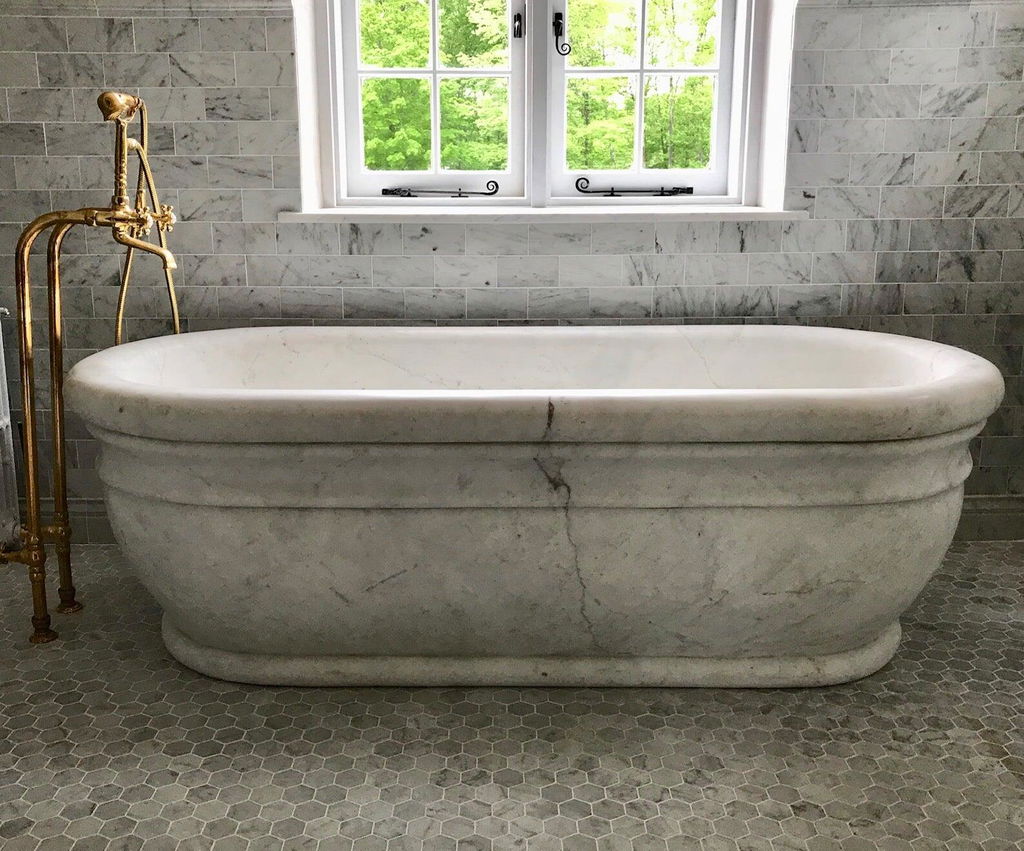
A carved bathtub in Verde Rosato becomes immersive luxury. The softness of tone enhances intimacy, especially under warm lighting. When fabricated from matched blocks and slabs, the bathtub can seamlessly coordinate with surrounding wall cladding. This creates a cohesive, spa-like architectural statement.


Bathroom Feature Walls:
As a full-height feature wall behind a freestanding tub or vanity, Verde Rosato Marble adds subtle romance without overwhelming minimal spaces. Its gentle color layering introduces depth without visual noise. It is particularly effective in boutique-style or wellness-focused bathrooms.
Other Areas It’s Best For:
- Vanity backsplashes to soften strong countertop edges.
- Spa-style floors (low traffic) for calming underfoot tone.
- Custom furniture cladding for cohesive luxury detailing.
Avoid:
Kitchens and staircases. The soft pink undertones can feel overly decorative in highly functional zones. High-traffic applications may also diminish its refined visual delicacy over time.
Why Designers Choose it:
Verde Rosato belongs in restorative environments. It is emotionally expressive yet quiet. Used thoughtfully, it enhances wellness-focused architecture. It thrives where intimacy and cohesion matter most.


Nero Marquina Marble
Nero Marquina embodies architectural contrast at its most refined. It creates graphic clarity that defines and sharpens contemporary spaces.
Look: Intense jet-black base strikingly defined by crisp white veining — powerful, graphic, and unapologetically dramatic.
Best For:


Stair Treads (Indoor):
Black marble stairs create instant drama. Nero Marquina defines each tread with graphic precision, especially against white walls or glass balustrades. It transforms vertical movement into a designed experience. In modern homes, it sharpens geometry and adds gravitas.


Fireplace Surrounds:
As a fireplace surround, Nero Marquina Marble anchors a room. The dark base amplifies firelight, while the white veining introduces organic movement. It pairs beautifully with brass accents or minimalist furniture. The effect is refined and powerful.
Other Areas It’s Best For:
- Bathroom floors & walls for a sophisticated, hotel-like mood.
- Accent walls that are bold yet structured.
- Dining tabletops for dramatic focal surfaces.
Avoid:
Outdoor installations. Prolonged UV exposure may cause fading, and environmental stress can reduce its polished finish longevity. It performs best in climate-controlled interiors.
Why Designers Choose it:
Nero Marquina excels in contrast-driven design. It frames space boldly. It enhances modern, Art Deco, and monochromatic interiors effortlessly. It is best used where graphic clarity matters.


Green Onyx Marble
Green Onyx is atmospheric, not structural. It elevates a space through light, translucency, and mood rather than mass and permanence.
Look: Translucent emerald-green layered with natural luminosity; radiant, dimensional, and jewel-like in presence.


Best For:
Backlit Feature Walls:
Backlit Green Onyx creates luminous architectural drama. When light passes through the slab, it transforms into a glowing artwork. This technique works beautifully in foyers, powder rooms, or luxury bar areas. The result feels immersive and rare.


Pedestal Sinks & Vanities:
A carved onyx pedestal sink or vanity becomes a sculptural centerpiece. The vertical orientation preserves the material while showcasing its translucency. Under ambient lighting, it feels almost ethereal. It elevates bathrooms into gallery spaces.
Other Areas It’s Best For:
- Vanity panels for glowing surface accents.
- Shower feature walls, showcasing its dramatic vertical use.
- Decorative partitions for illuminated design moments.
Avoid:
Floors and stairs. Onyx is softer and more brittle than marble, making it unsuitable for structural or high-impact areas. It is decorative by nature.
Why Designers Choose it:
Green Onyx is about light interaction. It enhances atmosphere rather than function. Used verticallyand thoughtfully lit, it becomes unforgettable. It thrives in artistic, high-end interiors.


5. Arabescato Orobico Marble
Expressive and dynamic, Orobico is architectural storytelling in stone.
Look: Flowing veins in brown, grey, and gold tones.
Best For:


Living Room Flooring:
In expansive living rooms, Orobico creates movement underfoot. Its warm veining complements neutral upholstery and textured fabrics. It prevents large spaces from feeling flat. It works particularly well in villas and heritage-inspired homes.


Staircases:
Cladding staircases in Orobico turns them into sculptural statements. The flowing veins enhance vertical rhythm and guide the eye upward dramatically. It becomes the focal architectural element.
Other Areas It’s Best For:
- Bathroom floors for dramatic elegance.
- Feature walls boasting artistic composition.
- Grand entryways for a statement impact.
Avoid
Ultra-minimal kitchens. Its dynamic veining may disrupt the calm linear language of strict minimalism. It demands space to breathe.
Why Designers Choose it:
Arabescato Orobico Marble celebrates movement while rewarding scale and openness. It pairs best with confident architecture, so it thrives in homes that embrace drama.


6. Dark Green Marble
Grounded, rich, and timeless appeal, especially when finished in honed or brushed textures.
Look: Deep forest green, elegant and solid.
Best For:


Pedestal Sinks:
Dark Green marble pedestal sinks feel architectural and heritage-inspired. They stand confidently without overpowering. Against brass fixtures, the effect is deeply luxurious.


Kitchen Countertops:
In kitchens, Dark Green Marble offers an alternative to white while remaining timeless. It hides minor wear better than lighter stones and pairs beautifully with wood cabinetry, while adding depth without chaos.
Other Areas It’s Best For:
- Bathtubs for sculptural warmth.
- Staircase cladding for elegant contrast.
- Accent floors for a rich grounding effect.
Avoid:
Very small, poorly lit spaces. Its deep pigmentation absorbs light rather than reflecting it, which can visually compress compact rooms. In tight layouts without natural daylight or layered lighting design, the richness may feel heavy instead of grounding. It performs best where there is spatial breathing room and thoughtful illumination.
Why Designers Choose It:
Dark Green Marble introduces depth in a way few stones can. It anchors interiors with confidence while maintaining sophistication. The tone pairs effortlessly with brass, gold, walnut, and even matte black fixtures. It feels timeless rather than trend-driven, as it’s expressive yet composed.


7. Rosso Lepanto Marble
It’s theatrical in the best way, as its burgundy depth evokes palatial interiors, appearing fresh and artistic.
Look: Deep burgundy with white veining
Best For:


Feature Walls:
Rosso Lepanto Marble delivers regal impact. As a single feature wall, it introduces richness and heritage character into modern homes.


Powder Room Vanities:
In intimate powder rooms, boldness is welcomed. A Rosso Lepanto vanity creates a memorable design moment for guests.
Other Areas It’s Best For:
- Fireplace surrounds for dramatic focal framing.
- Decorative stair risers for accent detailing.
Avoid:
Large flooring expanses. Its strong burgundy base can visually dominate wide surfaces and overpower furniture selections. In expansive applications, the eye has no resting point, which can disrupt architectural balance. It is best reserved for intentional, contained focal zones.
Why Designers Choose It:
Rosso Lepanto is a statement material. It thrives when used proportionally and with restraint. Its richness brings warmth and historical undertones to contemporary spaces. When applied strategically, it elevates interiors into curated, gallery-like compositions.


8. Beige Travertine Marble
Travertine has quietly returned to the forefront of design. Its warm neutrality and subtle texture align perfectly with contemporary minimalism.
Look: Warm beige, porous, timeless
Best For:


Whole-House Flooring:
Travertine Marble creates seamless continuity across open layouts. Its warmth softens modern architecture and complements wood, linen, and plaster.


Staircases:
It transitions effortlessly from floor to riser, reinforcing monolithic design. Durable and forgiving, it performs well long-term.
Other Areas It’s Best For:
- Fireplace surrounds for warm minimalism.
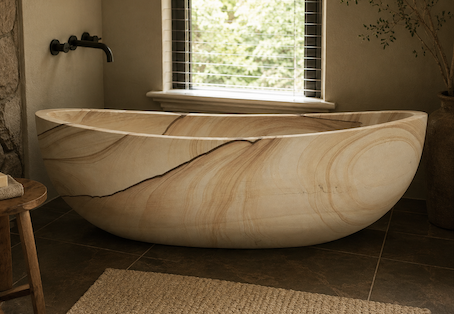
- Bathtubs for earthy elegance.
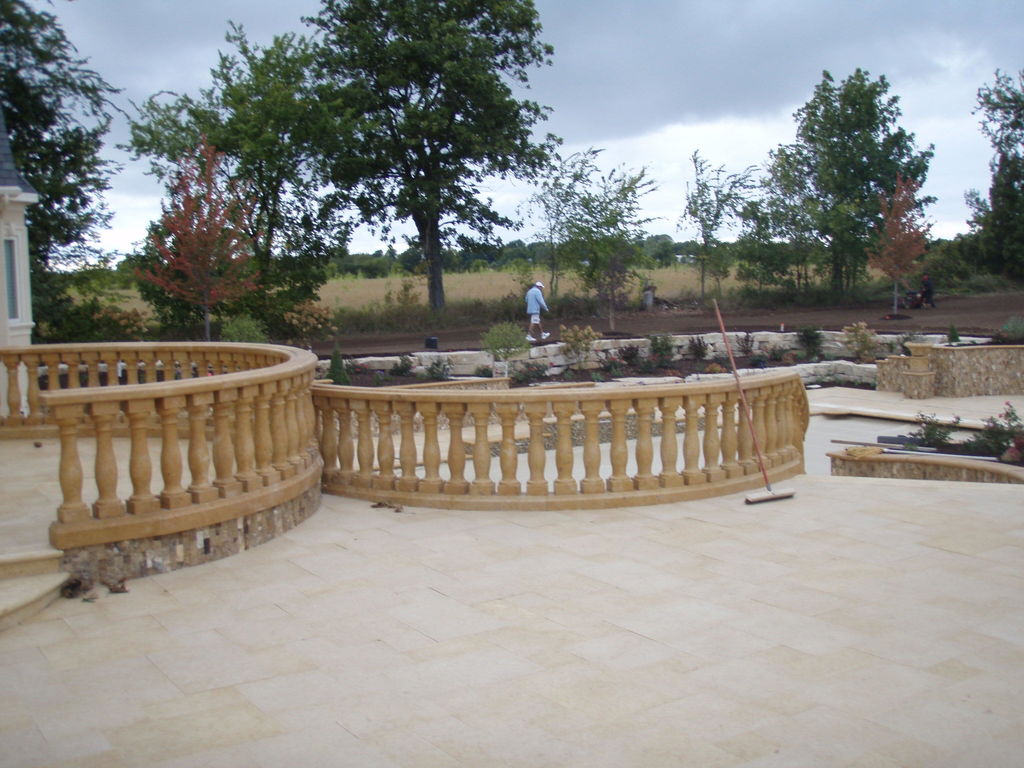
- Outdoor-indoor continuity for cohesive transitions.
Avoid:
Highly polished ultra-modern schemes where sleek, mirror-like finishes are required. Travertine celebrates texture and natural variation; its pores and subtle tonal shifts are part of its character. In ultra-gloss contemporary environments, it may feel too organic unless intentionally contrasted.
Why Designers Choose It:
Travertine is architectural calm. It provides warmth without distraction and texture without chaos. Its neutrality allows furniture, lighting, and art to shine. Travertine remains one of the most dependable choices for large-scale applications because it balances durability with timeless visual softness.


9. Arabescato White Marble
Arabescato White strikes a balance. More dynamic than Carrara, less bold than Statuario, it offers movement without overpowering a space.
Look: White base with soft grey veining
Best For:


Bathroom Floors & Walls:
Arabescato White Marble establishes calm visual continuity across vertical and horizontal surfaces.Its soft grey veining reflects light beautifully while adding gentle movement without overwhelming the space.


Kitchen Countertops:
It offers balance, as it’s more dynamic than Carrara and less bold than Statuario. Ideal for refined contemporary kitchens.
Other Areas It’s Best For:
- Staircases for elegant vertical detailing.
- Living room floors to brighten formal spaces.
Avoid:
Interiors that demand strong, high-contrast visual drama. Its veining is refined and fluid rather than bold. In highly expressive architectural concepts, designers may prefer more assertive stones.
Why Designers Choose It:
Arabescato White is the equilibrium marble. It offers movement without overwhelming simplicity. Its gentle veining enhances minimalist spaces while maintaining sophistication. It adapts effortlessly to both classic and contemporary environments, making it exceptionally versatile.
10. Italian Calacatta Viola Marble
Calacatta Viola is contemporary luxury’s favorite accent stone. Its dramatic veining feels artistic, almost abstract.
Look: White base with burgundy veining
Best For:


Fireplace Surrounds:
Calacatta Viola transforms fireplaces into artistic centerpieces. The veining creates abstract visual drama. When bookmatched, the pattern becomes even more sculptural, elevating the fireplace from functional element to architectural art.


Statement Stair Walls:
Used vertically, it adds bold ascent drama without overwhelming flooring. It delivers impact without overpowering the flooring, allowing the architecture to remain balanced yet expressive.
Other Areas It’s Best For:
- Vanity tops for luxurious accents.
- Feature walls for curated focal moments.
Avoid:
Full flooring installations or entire open-plan spaces. Its dramatic burgundy veining demands attention and can visually dominate large areas. Without restraint, it may limit flexibility in furniture and decor choices over time.
Why Designers Choose It:
Calacatta Viola is expressive luxury. It functions best as an accent, a curated focal point rather than background material. Its artistic veining introduces individuality and emotion into structured spaces. Used selectively, it creates unforgettable architectural moments.
MarbleBee Customises Marble Slabs as Sculptural Statements
Monolithic beauty is never accidental. It is designed, carved, and refined with precision and craftsmanship. When selecting a marble slab, it’s not just about colour. It is about scale, slab continuity, finish, fabrication precision, and architectural proportion. Custom sizing, edge detailing, honed versus polished finishes, each decision shapes the final atmosphere.
Quick Renovation Guide
(At a Glance)
| Area | Best Marbles |
|---|---|
| Whole-House Flooring | Beige Travertine, Arabescato Orobico |
| Staircases | Nero Marquina, Arabescato Orobico, Travertine |
| Kitchens | Statuario, Arabescato White, Dark Green |
| Luxury Bathrooms | Verde Rosato, Green Onyx, Statuario |
| Fireplaces | Nero Marquina, Rosso Lepanto, Calacatta Viola |
| Feature Walls | Onyx, Calacatta Viola, Rosso Lepanto |
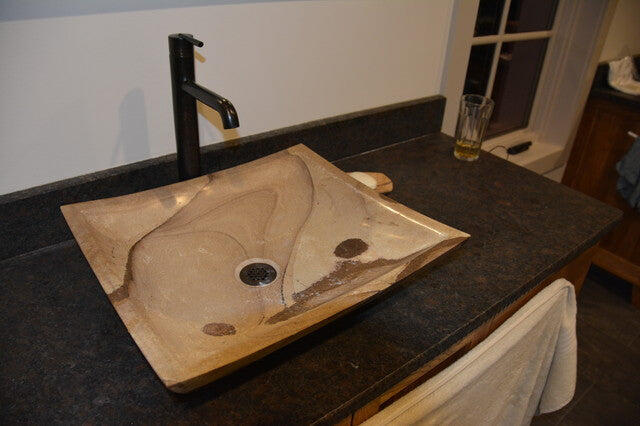
At MarbleBee, we collaborate closely with designers and homeowners to translate vision into exceptional design. From sculptural pedestal sinks to monolithic staircases, from cohesive whole-house flooring to dramatic feature walls, we customise each element to suit the architectural narrative.
We work with a wide collection of premium materials, including all those discussed here, to tailor every slab to specific home renovation projects. Whether it’s matching batches for consistency, fabricating custom dimensions, or refining finishes to perfection, we support the creative process with craftsmanship and care.