Silver Travertine: The Stone That Brings Depth to Modern Minimalist Interiors

Minimalism today is no longer about empty spaces and stark white surfaces. It has evolved. It breathes, it feels, and most importantly, it engages. Designers are moving away from flat, lifeless finishes and embracing materials that add quiet character without overwhelming a space. This is where Silver Travertine steps in, effortlessly.
At first glance, it appears subtle, with soft grey tones and muted elegance, devoid of loud or dramatic elements. But look closer, and you begin to notice its true strength: texture. Fine linear patterns, natural pores, and layered formations create a surface that feels alive. It adds depth without adding noise.


Silver Travertine is not just a material choice; it’s a design strategy. It allows architects and homeowners to create spaces that are minimal yet rich. Calm, yet visually engaging. In a world where simplicity often risks becoming boring, this stone ensures minimalism never feels plain, as it doesn’t demand attention; it earns it.
To truly understand its design power, it’s important to first understand the material itself.
Let’s begin with what makes Silver Travertine unique at its core.
What is Silver Travertine?
Travertine is a type of sedimentary limestone formed over thousands of years through mineral deposits from natural springs. Unlike marble, which is dense and crystalline, travertine carries a more organic, porous identity. It feels closer to nature, as it’s less polished, more grounded.
Defining Features of Silver Travertine
Silver Travertine stands out within this category due to its distinctive tonal and structural qualities. It features:
• Soft grey to silver base tones
• Subtle variations of ash and beige
• Linear stratification that creates layered patterns
These layers are not artificial; they are a direct result of how the stone forms in nature, making every slab unique.
Natural Voids and Pores
One of the most recognizable characteristics of travertine is its natural voids and pores. These small cavities are formed by trapped gases during the stone’s creation. Rather than being imperfections, they are what give the stone its authenticity and texture.
Designers often choose to either fill these pores for a cleaner look or leave them open for a more raw, tactile surface. This flexibility makes Silver Travertine highly adaptable across different design styles.


Origin and Geological Formation
Silver Travertine is primarily sourced from regions rich in natural mineral springs, with Turkey being the most prominent supplier. Certain varieties also originate from parts of Italy, renowned for their rich stone heritage.
The formation process is both simple and fascinating. Over time, mineral-rich water flows from hot springs and deposits calcium carbonate. As this process continues, layers build up gradually, trapping air pockets and organic matter along the way. These layers eventually solidify into stone.
This natural process is what gives Silver Travertine its signature banded appearance. The horizontal lines, subtle tonal shifts, and organic voids are all records of time captured within the material. The result is a stone that is not just visually appealing, but also deeply connected to nature’s rhythm.
Visual Identity: Color, Texture, and Natural Patterning
Balanced Color Palette
Silver Travertine offers a refined and neutral palette that fits effortlessly into modern interiors. Its tones typically include:
• Silver-grey as the dominant base
• Soft ash hues that add coolness
• Subtle beige undertones that bring warmth
This balance allows it to work across both warm and cool design schemes without clashing.
Linear Veining: The Signature Look
One of its most defining visual features is its linear veining. These are not dramatic marble veins but gentle, horizontal bands that resemble sediment layers. This pattern creates a sense of direction and flow, especially when used across large surfaces. It visually elongates spaces, making rooms feel wider and more cohesive.
Natural Pores and Voids
The presence of natural pores gives Silver Travertine its tactile appeal. These organic cavities break the monotony of flat surfaces and introduce depth at a micro level. When light hits the surface, these textures create soft shadows and highlights. This interaction adds dimension without the need for bold patterns or colors.
Together, these elements, like color, veining, and texture, make Silver Travertine a material that feels understated yet deeply expressive.


Types of Cuts: Vein Cut vs Cross Cut
The way Silver Travertine is cut plays a crucial role in how it is perceived within a space. A simple shift in cutting direction can completely transform its visual character and design impact. Therefore, it’s critical to understand the difference between a vein cut and a cross cut.
Vein Cut
Vein cut is created by slicing the stone along its natural layers, revealing its signature linear structure. The result is a surface defined by continuous horizontal lines that feel clean, structured, and architectural. This directional pattern brings a strong sense of flow, making spaces appear more expansive and aligned.
Due to its clarity and rhythm, vein-cut Silver Travertine is widely preferred in contemporary interiors. It works especially well on large wall panels, feature walls, and seamless cladding where continuity is key. In minimalist spaces, it introduces texture while maintaining visual discipline.
Cross Cut
A cross-cut is achieved by cutting across the layers of the stone, exposing a more organic and cloud-like pattern. Unlike the linear precision of vein cut, this finish feels softer and more natural, with less directional movement.
The look is often associated with a more traditional or earthy aesthetic. While it has its own charm, cross-cut is used more selectively in modern minimalism, where cleaner lines are typically favored.
Important: For spaces that follow a modern, minimalist language, vein-cut Silver Travertine remains the preferred choice. It delivers texture with structure, adding depth without disrupting simplicity.


Surface Finishes and Their Impact
The finish of Silver Travertine plays a defining role in how the stone looks, feels, and performs in a space. From smooth and refined to raw and tactile, each finish brings out a different side of its character.
Honed Finish
A honed finish offers a smooth, matte surface that feels understated and contemporary. It softens the natural tones of the stone while reducing glare, making it ideal for modern interiors that prioritize subtle elegance over shine. This is often the go-to choice for minimalist spaces.
Filled Finish
In a filled finish, the natural pores of the travertine are sealed using resin or grout. This creates a more even and uniform surface, giving the stone a cleaner appearance. It also makes maintenance easier, which is why it is commonly used in flooring and high-traffic areas where practicality matters as much as aesthetics.
Unfilled Finish
Unfilled travertine retains its natural voids, allowing the stone’s raw beauty to stand out. The surface feels more organic and textured, making it perfect for feature walls or spaces where material authenticity is a key design element.
Brushed or Tumbled Finish
Brushed or tumbled finishes introduce a gently aged look, with a softer, slightly worn texture. These finishes add warmth and tactility, making the stone feel more inviting while still maintaining a refined and timeless appeal.


Core Applications in Modern Interiors
Silver Travertine is versatile, but its true strength lies in how it transforms surfaces into experiences. It doesn’t just cover spaces; it defines them.
Architectural Surfaces
Silver Travertine performs best when used across large, uninterrupted surfaces, where its natural patterns can fully express themselves. Whether applied on feature walls, expansive flooring, or full-height cladding, it creates a seamless visual flow that makes spaces feel larger and more connected.
The subtle linearity, especially in vein-cut, introduces rhythm without overwhelming the design. It acts as a calm, consistent backdrop while still offering depth through texture. Instead of relying on multiple materials, designers often use travertine to unify the entire space with quiet sophistication.
Style Inspiration: Open-plan spaces come alive with floor-to-ceiling Silver Travertine, creating a seamless and expansive feel. Paired with minimal furniture and soft lighting, the space feels calm, cohesive, and quietly luxurious.


Transitional & Structural Elements
Silver Travertine plays a crucial role in areas that connect spaces, such as staircases, corridors, and passageways. These transitional zones often define how a space flows, and using a consistent material like travertine ensures visual continuity. When applied thoughtfully, it eliminates harsh breaks between rooms and creates a smooth, uninterrupted journey through the space.
Staircases, in particular, take on a sculptural quality when clad in travertine, appearing both solid and refined. The material adds presence without heaviness, making transitions feel intentional rather than secondary.
Style Inspiration: A floating staircase clad in Silver Travertine becomes a sculptural centerpiece within the home. It connects levels effortlessly, maintaining visual continuity while adding understated elegance.


Bathrooms & Wet Areas
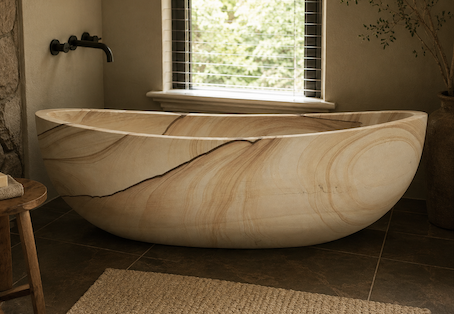
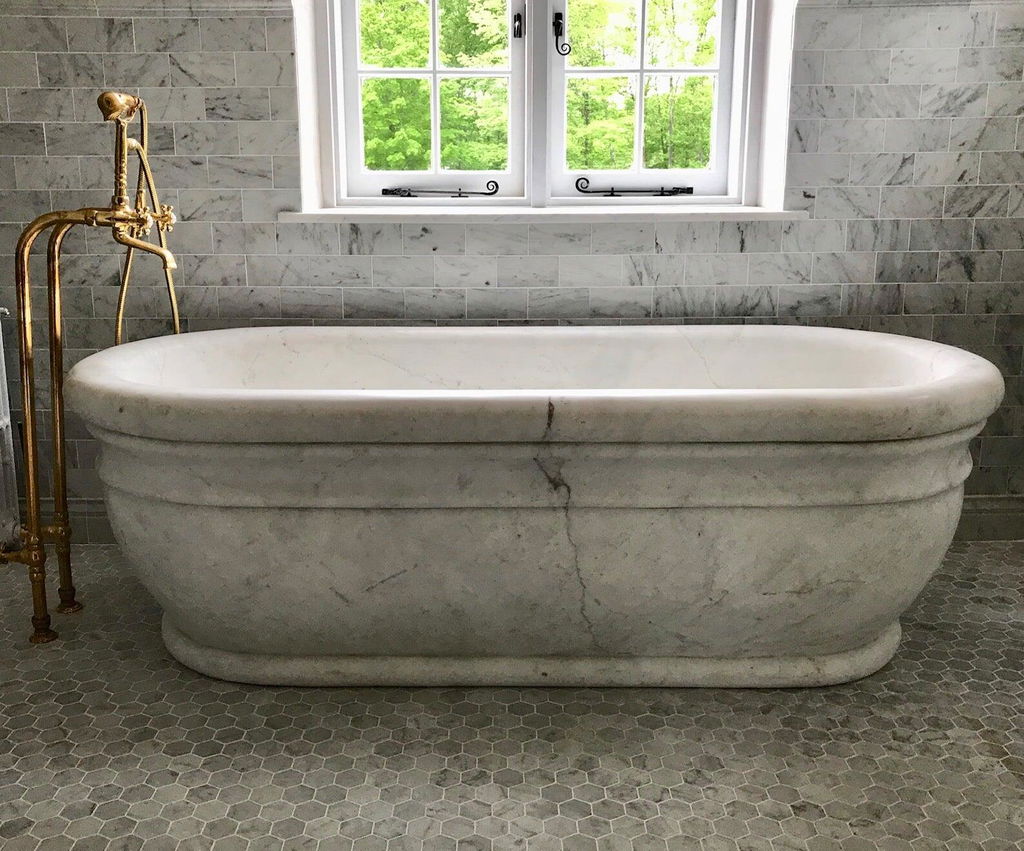
Bathrooms benefit immensely from the natural qualities of Silver Travertine. Its soft tones and textured surface help create a calm, spa-like atmosphere that feels both luxurious and grounded. When used across walls, vanity units, or shower areas, it brings warmth to spaces that often feel cold due to tiles and ceramics.
The stone’s organic nature softens the overall design, making the environment more relaxing and inviting. With proper sealing, it performs well in wet areas while maintaining its aesthetic appeal over time.
Style Inspiration: Softly lit bathrooms with travertine walls create a serene, spa-like retreat. Minimal fittings and warm tones enhance the sense of calm and natural luxury.


Furniture & Accent Pieces
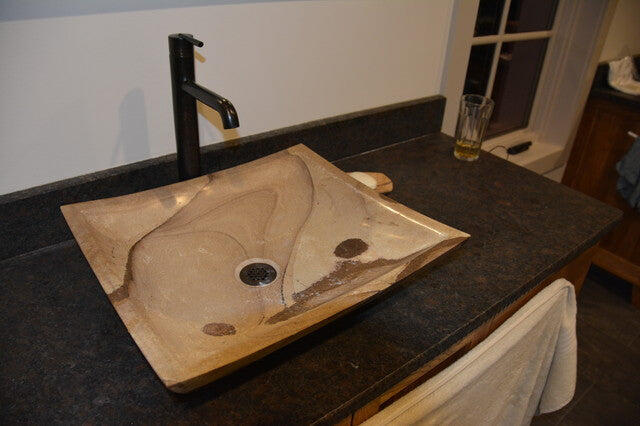
Silver Travertine is no longer limited to architectural surfaces; it has become a sought-after material in furniture design. Pieces like coffee tables, dining tables, and consoles crafted from travertine act as subtle statement elements within a space.
These furniture and accent pieces bring a sense of solidity and permanence while maintaining a refined, understated look. The natural variations in texture and tone ensure that each piece feels unique and handcrafted. These elements add depth to interiors without disrupting the minimalist aesthetic.
Style Inspiration: A monolithic travertine coffee table adds depth without overpowering the space. Balanced with neutral upholstery and soft textures, it feels both grounded and refined.


Exterior & Architectural Facades
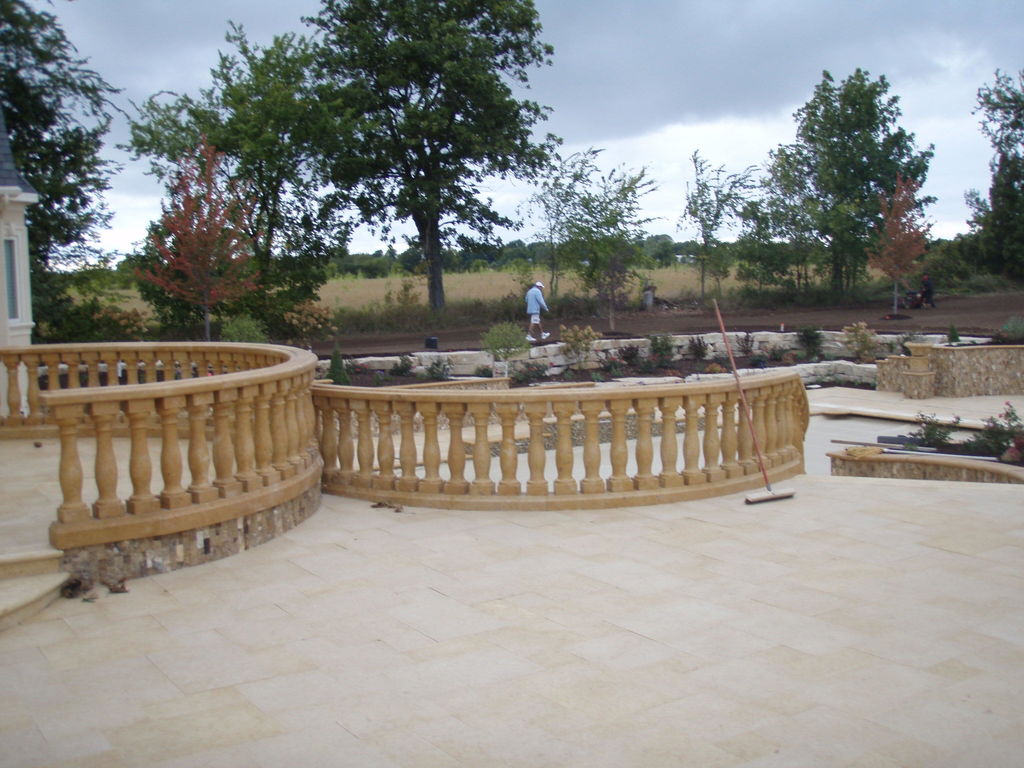
One of the most defining advantages of Silver Travertine is its suitability for exterior use. Unlike many interior-focused stones, it performs well in outdoor environments, making it ideal for facades, terraces, and landscape integration.
Over time, it weathers gracefully, developing a natural patina that enhances its character rather than diminishing it. This durability, combined with its timeless aesthetic, allows architects to create buildings that feel connected to their surroundings. It bridges the gap between built form and nature with ease.
Style Inspiration: A travertine-clad facade blends architecture seamlessly with its natural surroundings. As it ages gracefully, the structure gains character while maintaining timeless appeal.


Architectural Design Considerations
Working with Silver Travertine is as much about design strategy as it is about material selection.
Thoughtful planning allows its natural texture and pattern to truly come to life within a space.
Embrace Large Surfaces
Silver Travertine reveals its full beauty when used across expansive, uninterrupted areas. Large slabs or panels allow the natural veining and tonal variations to flow seamlessly, creating a cohesive and visually calming effect.
Avoid Over-Segmentation
Excessive joints or fragmented layouts can break the continuity of the stone and make the design feel cluttered. A simpler approach ensures the material remains the focal point.
Orientation Matters
The direction of the veins significantly influences spatial perception. Horizontal alignment can visually widen a room, while vertical placement can enhance the sense of height.
Lighting Enhances Texture
Carefully planned lighting, especially grazing light, highlights the stone’s pores and layers, adding depth through subtle shadows and enhancing its tactile appeal.
Thoughtful planning ensures that the material doesn’t just exist in a space but elevates it.


Styling and Material Pairings
Silver Travertine is highly adaptable, making it easy to integrate into a variety of design palettes. Its neutral tones and natural texture allow it to both complement and elevate surrounding materials without overpowering them.
When paired with concrete, it introduces balance by softening the raw, industrial edge. Wood adds warmth and brings a sense of comfort, while glass enhances openness and lightness within the space. Metals, especially black or brushed steel, create contrast and lend a refined, contemporary finish. Together, these combinations create interiors that feel layered, cohesive, and thoughtfully curated.
In terms of design styles, Silver Travertine fits effortlessly into minimalist, contemporary, and even brutalist spaces. It also works beautifully in Mediterranean modern interiors, where natural materials take center stage. Its understated character allows it to blend seamlessly while still adding depth, ensuring the space feels rich without becoming visually heavy.


Durability, Performance, and Maintenance
Silver Travertine strikes a thoughtful balance between aesthetics and functionality, making it a reliable choice for both interior and exterior applications. Its natural composition gives it strength, while its organic texture allows it to age gracefully over time. Understanding how it performs and how to maintain it ensures the material continues to look refined for years to come.
Strength and Porosity
As a natural stone, Silver Travertine is durable and well-suited for a variety of applications. However, its porous nature means it requires proper sealing to protect against moisture, stains, and everyday wear.
Maintenance Requirements
Its upkeep is simple and practical. Regular cleaning with mild solutions and occasional resealing are enough to maintain its appearance without demanding extensive effort.
Outdoor Suitability
Silver Travertine performs well outdoors, adapting to temperature changes and weather conditions while maintaining its structural integrity.
Aging with Character
Over time, it develops a soft patina that enhances its depth and texture, adding character rather than signs of wear.
Cost and Market Position
Silver Travertine holds a strong position as a cost-effective alternative to premium marbles, making it especially suitable for large-scale applications. It delivers a refined and sophisticated look without the significantly higher price typically associated with luxury stones, allowing designers to achieve high-end aesthetics within a more balanced budget.
Its pricing can vary depending on factors such as the quality of filling, consistency of color and pattern, and the size of the slabs. Larger slabs with uniform tones, especially in vein-cut, often carry a higher value due to their seamless and contemporary appeal. Despite these variations, Silver Travertine offers an ideal balance between cost and visual impact, making it a preferred material for architects and designers.


Why Designers Choose Silver Travertine
Silver Travertine brings together aesthetics and functionality in a way few materials can. It offers visual softness, natural texture, and dependable performance, making it a thoughtful choice for modern interiors. Designers are drawn to it not just for how it looks, but for how it shapes the overall experience of a space.
Its subtle tonal variations and layered patterns introduce depth without making a space feel heavy. This allows interiors to remain light, open, and visually balanced, all essential qualities in minimalist design.
The stone creates harmony between texture and tone. Its surface adds a gentle tactile quality, while its muted palette ensures the space feels cohesive, warm, and grounded. Moreover, with its soft hues and organic patterns, Silver Travertine naturally fosters a calm and serene atmosphere. It is ideal for spaces designed around relaxation, where simplicity and comfort come together effortlessly.


Conclusion: The Future of Textured Minimalism
Minimalism today feels warmer, more expressive, and deeply connected to the senses. It is no longer about emptiness, but about choosing materials that add quiet character and meaning. Silver Travertine fits naturally into this evolution, offering depth, texture, and a timeless presence that never feels excessive. It allows spaces to remain simple, yet far from plain.


At Marblebee, this philosophy is translated into every detail. Our focus goes beyond providing stone; it is about shaping ideas alongside designers, architects, and homeowners. With an extensive collection of natural stones, each piece can be customized in size, finish, and application to suit the vision of a space. Every design is crafted with precision and care, ensuring the final outcome feels both intentional and enduring.
Ultimately, what defines a space is not how much it shows, but how it makes you feel. Natural materials like Silver Travertine ensure that feeling lingers long after the space is experienced.