Top 10 Stone Garden Planters to Elevate Your Outdoor Space

Last summer, I found myself standing in the garden of a historic Italian villa, completely mesmerized. It wasn't just the lush greenery or vibrant blooms that captured my attention—it was the magnificent stone planters that anchored the space. Ancient yet timeless, these vessels transformed what could have been an ordinary garden into something truly extraordinary.
That moment of inspiration has stayed with me through countless landscape projects. Stone garden planters possess a unique ability to elevate outdoor spaces from simply pleasant to genuinely remarkable. Whether you're a landscape designer seeking the perfect focal point, an architect integrating hardscaping with plantings, or a homeowner looking to add lasting elegance to your garden, the right stone planter can make all the difference.

Why Stone Planters Stand the Test of Time
Before diving into our top picks, let's appreciate why stone planters have remained garden favorites for centuries. Unlike their plastic or composite counterparts, stone planters develop character over time. Each weathering mark tells a story, each moss patch adds depth, and each season brings subtle changes that only enhance their beauty.
I've specified stone planters for clients in every climate zone across America, and their durability consistently impresses me. From the humid heat of Florida to the freezing winters of Minnesota, quality stone planters endure where other materials fail. They provide weight and substance in garden design—both literally and aesthetically—creating anchoring points that ground your outdoor space.

Top 10 Stone Garden Planters for Every Outdoor Space
Let's explore the finest stone planters available today, each offering unique qualities to enhance different garden styles and settings.
1. Classical Marble Garden Planter
Nothing speaks of timeless elegance quite like a carved marble planter. With its crisp white surface and intricate detailing, this planter becomes an instant focal point in any landscape. I recently installed a pair flanking the entrance of a Georgian-style home in Connecticut, and the transformation was remarkable.
The fine-grained marble catches light beautifully throughout the day, creating subtle shadows that highlight its carved details. While certainly an investment piece, a quality marble planter can literally last for generations—I've worked with antique examples that are over a century old and still performing beautifully.
Best suited for: Formal gardens, estate entrances, and classical architectural settings where timeless elegance is paramount.


2. Travertine Stone Planter
For gardens that embrace earthy warmth, travertine planters offer unmatched natural beauty. The distinctive pitted texture and honey-to-cream coloration of travertine bring organic character to any planting scheme.
What I love about travertine is its chameleon-like quality—it somehow manages to look perfectly at home in both ultra-modern minimalist landscapes and rustic Mediterranean gardens. The natural imperfections in travertine tell a geological story that adds depth to your garden narrative.
Best suited for: Mediterranean-inspired gardens, desert landscapes, and spaces where you're creating a connection to natural elements.


3. Modern Black Granite Planter
When designing contemporary outdoor spaces, I often turn to sleek black granite planters for their dramatic presence. The deep, polished surface creates a striking contrast against vibrant greenery and reflects light in fascinating ways.
These substantial pieces bring architectural precision to garden design. Their crisp edges and perfect proportions satisfy the desire for order in modern landscapes. I find these particularly effective when used in series to create rhythm in a garden space—recently, I used a sequence of three graduating sizes to lead the eye down a minimalist pathway with stunning results.
Best suited for: Contemporary garden designs, urban rooftop spaces, and anywhere bold geometric statements are desired.


4. Limestone Pedestal Planter
There's something inherently graceful about a limestone pedestal planter that elevates both plants and design schemes. The soft beige coloration feels neutral without being bland, allowing your plantings to take center stage while still providing elegant structure.
Limestone weathers beautifully, developing a gentle patina that only enhances its appeal over time. I've found these planters particularly effective when used as punctuation points at pathway intersections or as sentinel pairs framing garden rooms.
Best suited for: Traditional gardens, transitional design schemes, and spaces where you want lasting elegance without overwhelming visual weight.


5. Antique Finish Stone Urn
Few garden elements evoke the romantic charm of centuries-old European gardens quite like a stone urn. These classically proportioned vessels bring instant heritage appeal to even newly established gardens.
What makes stone urns particularly versatile is their ability to work as either planters or decorative objects in their own right. I've used them planted lavishly with cascading flowers and positioned them empty as sculptural elements—both approaches create compelling visual interest. The antique finish gives them immediate character, bypassing the decades normally required to develop that coveted aged appearance.
Best suited for: Historic properties, romantic garden designs, and anywhere you want to create a sense of established permanence.


6. Custom Carved Garden Planters
When truly unique garden elements are required, custom-carved stone planters offer unlimited possibilities. From family crests to architectural motifs that echo your home's details, bespoke stone planters become signature pieces in landscape design.
I recently collaborated with a stone artisan to create planters featuring native wildlife motifs for a mountain retreat in Colorado. The result was stunning—planters that felt completely integrated with both the architecture and the natural surroundings.
Best suited for: Estate gardens, commercial properties seeking distinction, and homeowners who value one-of-a-kind garden elements.


7. Lion-Head Marble Stone Planter
For entrances that demand drama and classical reference, lion-head stone planters deliver a magnificent presence. These statement pieces combine functional planting space with sculptural artistry, drawing on centuries of garden tradition.
What makes these planters particularly effective is their ability to elevate simple plantings. Even a straightforward boxwood becomes a design statement when contained in such an ornate vessel. I've used these to spectacular effect, flanking grand staircases and main entrances, where their formal presence sets the tone for the entire property.
Best suited for: Formal entrances, classical gardens, and anywhere architectural grandeur needs reinforcement.


8. Sandstone Rectangular Planter
When clean lines and architectural presence are the priority, sandstone rectangular planters provide elegant simplicity. Their minimalist form allows them to integrate beautifully in both contemporary and traditional settings.
I appreciate the warm, natural tones of sandstone—not as stark as granite but more defined than limestone. This versatile material develops subtle color variations over time that add depth and interest. For projects where clients want the beauty of natural stone without ornate detailing, these planters are my go-to recommendation.
Best suited for: Modern patios, roof terraces, and clean-lined landscape designs where form follows function.


9. Oversized Outdoor Stone Planter
Sometimes garden design calls for bold scale, and that's where oversized stone planters make their magnificent impact. These substantial vessels create instant architectural presence and can transform an empty corner into a designed focal point.
Large stone planters provide practical advantages beyond aesthetics. Their substantial soil volume supports larger plants and creates more stable growing conditions with less frequent watering needs. I've used massive stone planters to help define outdoor rooms, creating natural boundaries and transitions between garden areas.
Best suited for: Large properties, commercial landscaping, and spaces where dramatic scale is appropriate.


10. Zen Garden Rock Planter
For contemplative garden spaces, stone planters with natural, organic forms bring peaceful harmony. These vessels blur the line between container and sculpture, creating a seamless connection with the surrounding landscape.
What distinguishes these planters is their celebration of stone's natural character—each one unique with its own patterns and irregularities. I've incorporated these into meditation gardens and woodland retreats where their organic presence feels completely at home among trees and natural elements.
Best suited for: Japanese-inspired gardens, woodland settings, and meditative outdoor spaces.


Practical Considerations When Choosing Stone Planters
While aesthetics often drive our initial attraction to stone planters, practical considerations ensure your selection will serve you well for years to come.
Material Durability in Your Climate
Different stone types react differently to environmental conditions. Here's what I've learned through years of specifying stone planters across various climate zones:
-
Granite offers exceptional resistance to freezing conditions and stands up well in northern climates.
-
Limestone and sandstone may be more vulnerable to frost damage in severe winter regions unless properly sealed.
-
Marble can be susceptible to etching in highly acidic rain environments but performs beautifully in most climates with proper care.
- Travertine offers good durability but may require more frequent sealing in wet climates.
Always consider your local weather patterns when selecting stone type, particularly if your planters will remain outdoors year-round.

Drainage Requirements
Proper drainage is essential for plant health in any container, but particularly important for stone planters where water cannot evaporate through the sides as it might in terra cotta.
Most quality stone planters come with pre-drilled drainage holes, but if yours doesn't, professional drilling is recommended. I always advise clients to place a layer of gravel at the bottom of stone planters before adding soil, creating a reservoir to prevent root rot.
Weight and Placement Planning
Stone planters are heavy—beautifully, substantially heavy. This provides stability but requires forethought about placement. Consider:
- Will the planter need to be moved seasonally?
- Is your desired location structurally sound enough to support the weight? (Particularly important for roof gardens and balconies)
- Do you have equipment or assistance available for installation?
I always recommend finalizing placement before filling with soil, as the combined weight can make adjustments nearly impossible later.

Caring for Your Stone Garden Planters
With proper care, stone planters can last for generations. Here are my tried-and-true maintenance practices:
- Seasonal cleaning: Gently brush away debris and rinse with clean water once or twice yearly.
- Appropriate sealing: Apply a stone-specific sealer every 1-3 years, depending on your climate and the stone type.
- Winter protection: In freezing climates, either empty and cover planters or ensure proper drainage to prevent freeze-thaw damage.
- Careful planting: Use liners when planting species with aggressive root systems that might damage stone.
- Mindful watering: Avoid water stains by not allowing water to consistently splash onto the exterior surfaces.
What Plants Thrive in Stone Planters?
The substantial thermal mass of stone creates unique growing conditions that some plants particularly appreciate:
- Mediterranean herbs like rosemary, thyme, and lavender thrive in the warm, well-drained environment stone planters provide.
- Succulents and cacti appreciate the excellent drainage and heat retention stone offers.
- Small trees and shrubs benefit from the stability and root insulation stone planters provide.
- Annual flowers create beautiful contrast against stone textures, though soil may need more frequent refreshing.
I typically recommend deeper stone planters for most applications, as they provide more soil volume and greater root insulation—resulting in healthier, more drought-resistant plantings.
Conclusion: Stone Planters as Garden Legacy Pieces
Unlike so many garden elements that require replacement every few years, quality stone planters represent a genuine investment in your landscape's future. The right stone planter doesn't just complement your current garden—it establishes a permanent design element that will enhance your outdoor space for decades, even centuries to come.
Whether you're drawn to the classical elegance of carved marble, the contemporary clean lines of granite, or the natural warmth of travertine, there's a stone planter that perfectly aligns with your aesthetic vision and practical needs. At Marblebee, our artisans understand this perfectly—they carefully select the finest stone materials and employ traditional hand-carving techniques to create garden planters that showcase exceptional craftsmanship and enduring quality.
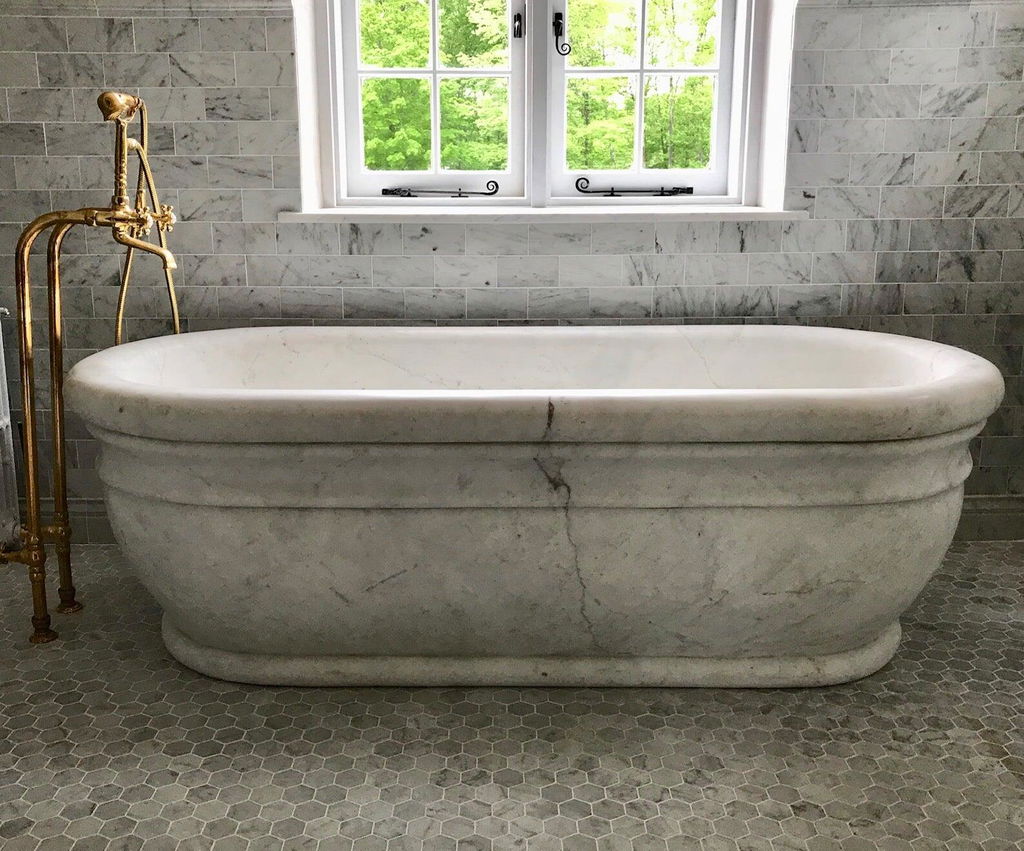
The selection process for stone is particularly crucial. Just as choosing a high-quality, solid white marble block is essential for ensuring the durability and excellence of a white marble bathtub, selecting the right stone for your garden planter determines its beauty and longevity. Marblebee's experts meticulously evaluate each stone piece to guarantee that every planter reaches its highest level of craftsmanship and quality—creating true legacy pieces for your garden.
1 comment
Thank you for sharing this beautifully curated guide to stone garden planters. I truly appreciate the thought and expertise that went into selecting and describing each piece. Your insights into how different stone planters can enhance various outdoor spaces—not just aesthetically but also in terms of durability and long-term value—were particularly helpful. I enjoyed learning about the distinct styles from classical marble to Zen garden rocks and the practical considerations for choosing the right material and placement. This article has given me great inspiration and confidence as I plan my own outdoor space. Thank you again for such a detailed and inspiring resource.
Regards,
Antique Buddhas
https://www.antique-buddhas.com