Bourgogne Rose Limestone: The Timeless French Stone Defining Soft Luxury Interiors

Luxury in contemporary interiors comes from control, not display. It is defined by how materials handle light, how they shape spatial calm, and how they perform over time. Designers now prioritize surfaces that create atmosphere rather than instant visual impact.
Bourgogne Rose Limestone aligns with this direction. It delivers soft tonal variation, a matte surface, and a fine fossil texture that introduces depth without visual noise. These qualities allow it to stabilize large surfaces and support cohesive spatial compositions.
Architects specify this material when the objective is warmth, reduced glare, and a grounded material presence. It integrates seamlessly across floors, walls, and architectural details without overpowering surrounding elements.
To use it effectively, one must understand its origin, structure, and performance characteristics. These factors define how it behaves in real projects and why it remains a deliberate specification choice.


Geological Formation and Fossil Composition
This stone forms in shallow marine environments through the accumulation of shells, corals, and organic matter. Over time, pressure converts these layers into solid limestone.
The fossil content remains visible within the surface. These are natural inclusions, not surface treatments.
Designers use this fossil structure to introduce fine-grain variation. It prevents large surfaces from looking flat while maintaining visual control.
Each slab carries natural variation. This makes the material suitable for projects where uniformity is not the goal, and material authenticity drives the design outcome.


Origin and French Architectural Heritage
Bourgogne Rose Limestone comes from Burgundy, a region known for disciplined stone construction and long-lasting architecture. It appears in traditional French houses, chateaux, and historic buildings that prioritize durability and material aging over time.
Architects value this precedent. It proves how the stone performs across decades under real conditions. This heritage aligns with a design approach focused on permanence, balance, and material honesty rather than visual excess.
Appearance: Color, Texture, and Natural Character
Color Palette
The stone presents soft pink, beige, and warm cream tones. These colors remain controlled and do not dominate a space. Designers use it to build warmth without visual heaviness.
Fossil Texture
Small fossil markings create a natural pattern across the surface. This pattern introduces depth without disrupting spatial calm.
Surface Finish
The finish remains matte and non reflective. It diffuses light and reduces glare, which improves spatial comfort in both residential and commercial interiors.
Together, these qualities make the stone effective for spaces that require warmth, texture, and visual stability without strong contrast or high gloss surfaces.


Why Bourgogne Rose Limestone Defines Soft Luxury
In a world where luxury was once defined by gloss and perfection, Bourgogne Rose Limestoneoffers a refreshing alternative. It does not shine, nor does it attempt to dominate a space. Instead, it introduces a quiet elegance, revealing itself over time.
Softening Architecture
Its true strength lies in how it interacts with space. Rather than creating contrast, it blends seamlessly with its surroundings. Walls feel calmer, floors feel warmer, and transitions between surfaces become more fluid.
This softening effect is especially valuable in modern interiors, where clean lines can sometimes feel stark. The stone gently balances that sharpness, adding a layer of comfort without disrupting the design language.
Material That Ages Gracefully
Its defining strength lies in how it matures over time. The surface develops a natural patina that deepens its character and reinforces its material identity. This progression strengthens the overall design rather than altering it.
Designers value this quality in long term projects where materials must hold relevance beyond initial installation. The stone continues to enrich the space as it interacts with light, use, and environment.
This is where true luxury operates. It is built on permanence, material integrity, and a surface that gains presence with time.
Core Applications in Architecture and Interiors
This stone moves effortlessly across spaces, not as a highlight but as a unifying layer. Its ability to connect surfaces, like floors, walls, and structural details. This creates a sense of continuity that feels both intentional and natural. Whether indoors or outdoors, it brings warmth without weight, allowing architecture to feel softer, more cohesive, and quietly complete.


Flooring
Large-format flooring is where its character becomes most immersive. When used in large formats, the surface reads as a continuous plane, allowing its gentle tones and fossil textures to unfold without interruption. This creates a calm visual rhythm underfoot, appearing grounded rather than decorative.
Unlike highly polished materials that can feel cold or reflective, this surface carries a subtle warmth, both visually and physically. It softens expansive spaces like living rooms, corridors, and open layouts, making them feel more connected and less segmented.
The matte finish also minimizes glare, especially in naturally lit interiors, enhancing comfort throughout the day. Over time, the flooring develops a lived-in patina that adds to its charm rather than diminishing it.
Designer Tip: Use large slabs with minimal joints to create a seamless, uninterrupted flow. This enhances spatial continuity while allowing the natural texture to remain soft and cohesive.


Wall Cladding and Interior Surfaces
When applied to walls, it shifts from being a surface to becoming an atmosphere. Rather than demanding attention, it quietly supports the space, adding depth through tone and texture. Whether used as a full-height installation or in subtle sections, it creates a backdrop that feels refined yet relaxed.
Its understated palette allows other elements, such as furniture, lighting, or art, to take focus, while still contributing a layer of warmth. The fossil markings, though subtle, prevent the surface from feeling flat, introducing just enough movement to keep it visually engaging.
In larger spaces, it can unify different zones without creating harsh divisions, maintaining a sense of openness.
Designer Tip: Pair with indirect lighting to highlight texture without creating harsh shadows. Avoid harsh spotlights, as they can disrupt the material’s calm, even appearance.


Bathrooms and Spa-Like Spaces
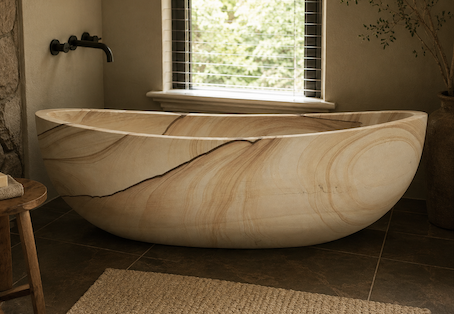
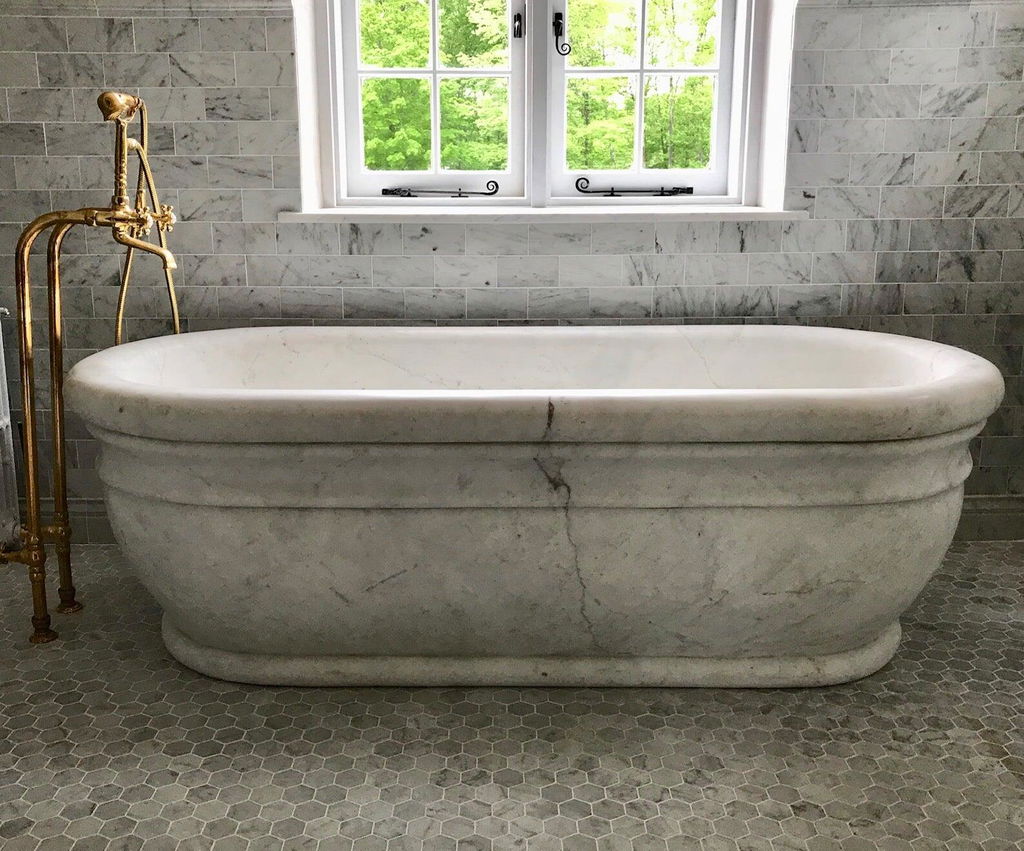
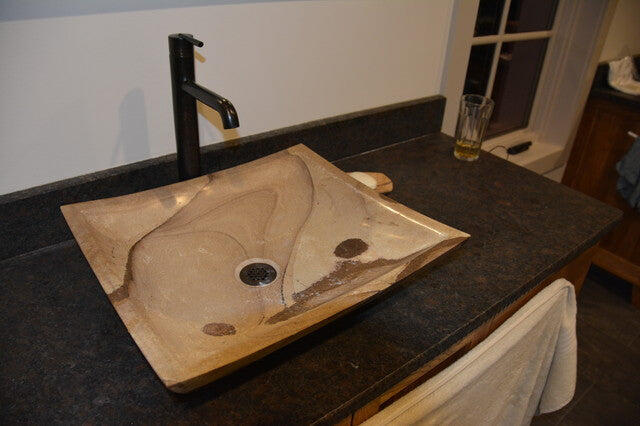
In bathrooms, its presence transforms function into experience. The softness of its tones and the matte quality of its surface create an environment that feels calm, almost meditative. Used across floors, vanities, basins, bathtubs, or shower areas, it brings a cohesive and soothing aesthetic.
Unlike glossy finishes that can feel clinical, this material introduces warmth and subtle texture, making the space feel more personal and less mechanical. The fossil details add a quiet sense of nature, reinforcing the idea of a retreat rather than just a utility zone.
When paired with minimal fixtures and soft lighting, the overall effect becomes spa-like, inviting, balanced, and timeless.
Designer Tip: Combine with warm lighting and minimal fixtures for a tranquil, wellness-inspired space. Let the material lead the space rather than layering too many contrasting elements.


Exterior Facades and Courtyards
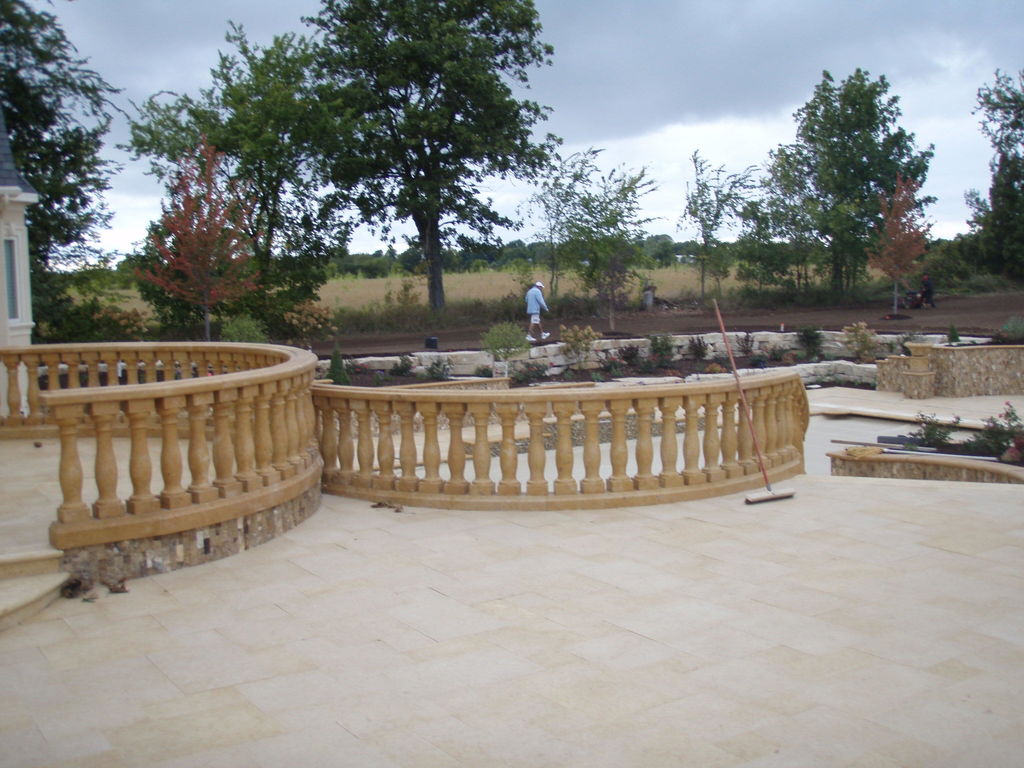
In outdoor areas, the limestone reveals its strongest quality, i.e., its ability to age with grace. Used on facades, courtyards, or outdoor flooring, it blends effortlessly with natural surroundings, creating architecture that feels rooted rather than imposed.
Its tones respond beautifully to changing light conditions, shifting subtly throughout the day. Over time, exposure to weather enhances its surface, adding character instead of wear. This makes it particularly suited for spaces that are meant to evolve rather than remain static.
In courtyards, it helps bridge indoor and outdoor environments, creating a seamless visual transition.
Designer Tip: Use in combination with greenery and natural landscaping to create a seamless indoor-outdoor connection. Besides that, this connection enhances its organic character.


Architectural Details
In finer architectural elements, it offers refinement without excess. Staircases, columns, and fireplace surrounds gain a sense of quiet presence when shaped in this material. Rather than standing out as decorative features, they become integrated parts of the overall design language.
Its softness works particularly well for elements that are both functional and visual, ensuring they do not disrupt the harmony of the space. Even in detailed applications, the texture remains subtle, allowing form and proportion to take precedence.
This restraint is what makes it versatile and enhances without overwhelming, supporting the architecture rather than competing with it.
Designer Tip: Keep detailing minimal to let the material’s natural texture speak for itself. Allow the material’s texture to stand out instead of adding excessive ornamentation.


Architectural Design Considerations
Working with Bourgogne Rose Limestone is less about making bold statements and more about understanding balance. Its strength lies in subtlety, which means thoughtful placement and restraint are key to achieving the desired effect. When used with intention, it doesn’t just sit within a design, while shaping how the entire space is experienced.
Designed for Continuity
This beautiful natural material performs best when used across large, uninterrupted surfaces. Whether on floors or walls, continuity enhances its visual calm and allows its natural variation to flow seamlessly.
Avoid High-Gloss Environments
It is not suited for spaces that demand shine or reflectivity. Its matte nature is its strength, and attempting to alter that can compromise its character.
Interaction with Natural Light
Natural light plays a crucial role in bringing out its depth. As light moves across the surface, subtle tonal shifts and fossil textures become more visible, adding dimension without contrast.
Creating Depth Through Softness
Unlike dramatic stones, it builds depth gradually. Layering it with complementary materials, like wood, textiles, or muted metals, enhances its effect without overpowering the space.
Thoughtful Placement Matters
It works best in areas where the goal is to create comfort and visual balance rather than high-impact statements. Used correctly, it becomes the foundation of a design, not just a surface finish.
Styling and Material Pairings
Styling with Bourgogne Rose Limestoneis an exercise in restraint and balance. It doesn’t ask for contrast, as it responds better to harmony. The goal is not to layer visual noise, but to build a space where every element feels connected, soft, and intentional. When paired thoughtfully, it elevates surrounding materials without competing with them, allowing the overall composition to feel calm yet complete.
Rather than relying on bold colors or sharp finishes, the focus shifts to texture, tone, and natural depth. This material truly thrives within palettes and combinations that feel lived-in, tactile, and quietly refined.


Works Beautifully With
Natural materials complement its character effortlessly. Oak and walnut woods enhance their warmth, while linen fabrics echo their softness. Wrought iron introduces contrast without disrupting balance, and neutral color palettes allow its tones to breathe.
Layering is key. Combining textures rather than colors creates a richer, more cohesive environment. Soft rugs, textured walls, and organic décor elements work together to build depth.
Design Styles That Embrace It
It fits naturally within French country interiors, where warmth and tradition meet. In Mediterranean spaces, it reflects sun-washed textures and relaxed living. Rustic modern designs benefit from their grounding effect, while soft minimalism uses it to introduce warmth without clutter.
Across all these styles, the common thread is comfort. The material does not dictate design; it simply adapts to it, enhancing each element without competing for attention.


Durability, Performance, and Maintenance
Understanding Bourgogne Rose Limestone goes beyond its appearance. It requires an appreciation of how it behaves over time. Its beauty is closely tied to its natural composition, which means performance and maintenance should be approached with the same sense of balance as its design use.
Rather than expecting it to perform like highly polished or engineered surfaces, it’s important to recognize its strengths and limitations. When used in the right environments and cared for thoughtfully, it offers longevity that feels authentic rather than manufactured.
Natural Strength with Considerations
While durable, it is softer compared to marble. This makes it more susceptible to scratches and wear in high-traffic environments, which is why it is better suited for residential or light-use spaces.
Porosity and Sealing
Being naturally porous, sealing is essential. Proper sealing helps protect against stains and moisture, especially in kitchens and bathrooms.
Aging as an Advantage
Unlike synthetic materials, slight wear over time adds character rather than diminishing appeal. This aging process contributes to its lived-in aesthetic.
Practical Maintenance
Regular cleaning with gentle, pH-neutral solutions is recommended. Harsh chemicals should be avoided to preserve its natural finish.
Limitations
It may not be ideal for heavy commercial use or areas exposed to constant abrasion. However, in the right setting, its performance aligns beautifully with its aesthetic, which is balanced, natural, and enduring.


Cost and Market Position
Bourgogne Rose Limestonegenerally sits within the mid to high price segment, with costs influenced by quarry source, extraction quality, and the uniformity of fossil detailing. Pieces that offer balanced tones and a more refined surface tend to be valued higher for their visual consistency and design versatility.
What defines its market position, however, is not rarity alone but authenticity. It does not depend on shine or bold patterns to justify its value. Instead, its appeal comes from softness, natural variation, and an understated elegance that feels enduring rather than trend-driven.
For designers and homeowners, it is less a purchase and more an investment in atmosphere. It’s chosen for how it shapes a space over time, creating a sense of calm, cohesion, and lasting visual comfort.
Uniqueness and Natural Variation
One of the most defining qualities of Bourgogne Rose limestone is its inherent variation. No two slabs are ever identical. Each carries its own arrangement of fossil markings, tonal shifts, and subtle surface differences. This natural diversity ensures that every installation feels distinct, moving away from repetition and toward individuality.
Rather than being seen as an inconsistency, these variations become a valuable design asset. They introduce depth across larger surfaces, preventing them from appearing flat or overly uniform. The gentle movement created by these shifts adds a quiet visual rhythm that evolves as light interacts with the material.
These nuances are not imperfections but a reflection of the stone’s geological journey. In design, this authenticity becomes a strength, bringing warmth, character, and a more personal, nature-connected feel to the space.


A Material That Feels Like Home
Some materials impress instantly, while others stay with you. Bourgogne Rose Limestone is firmly the latter. With its warm tones, gentle texture, and timeless character, it creates spaces that feel lived in from the very beginning. It does not seek attention, yet it defines the atmosphere entirely; quietly shaping how a space is experienced over time.
Ultimately, the beauty of Bourgogne Rose Limestone lies in its authenticity. This natural stone gently softens spaces, carries the passage of time, and never feels overdone. It may not captivate at first glance, but it lingers, growing more beautiful with every passing moment.