Marble Gazebos: How Builders Create Luxury Outdoor Focal Points

In contemporary luxury landscapes, outdoor structures are no longer treated as decorative additions. They are architectural decisions that define permanence, spatial order, and long-term value. Among these, marble gazebos have emerged as focal points that anchor large outdoor environments with clarity and authority.
As private estates, hospitality developments, and premium residences expand their outdoor footprints, temporary materials increasingly feel inadequate. Timber weathers unevenly, metal appears lightweight, and composite structures lack visual weight. Marble, by contrast, establishes an immediate sense of belonging to the site. It reads more like architecture than an installation.


A marble gazebo does more than provide shade. It maintains circulation, terminates visual axes, and establishes hierarchy within the landscape. Its presence allows surrounding lawns, water bodies, and pathways to orient themselves around a fixed, enduring reference point. When designed correctly, the gazebo becomes inseparable from the overall composition; removing it would collapse the spatial logic of the landscape itself. This is why builders now approach marble gazebos not as features, but as permanent outdoor rooms.


What Is a Marble Gazebo?
A marble gazebo is often loosely grouped with pergolas, pavilions, or ornamental garden structures, yet its architectural role is distinct. Pergolas are typically lightweight shading devices, open to the sky and non-load-bearing. Pavilions enhance horizontal spread and gathering space rather than visual anchoring. Chhatris, while structurally significant, follow specific cultural and symbolic traditions.
A true marble gazebo is a built structure. It is load-bearing, proportioned, and engineered to stand independently. Columns are structural members, not surface decoration. Roof elements, such as flat slabs, domes, or tiered assemblies, introduce measurable weight that must be resolved through design and foundation logic.
Most importantly, a marble gazebo is conceived as permanent. It is not expected to be replaced or refreshed. Its mass, material honesty, and detailing are intended to endure environmental exposure and changing landscape conditions. This permanence distinguishes it from decorative outdoor structures and positions it as a long-term architectural investment rather than an accessory.


Why Builders Choose Marble for Gazebos
Visual Gravitas
Marble carries inherent mass. From a distance, it reads as volume rather than surface, allowing gazebos to command attention without excessive detailing. Light interacts with marble through veining, edges, and depth, creating shadow and tonal variation that changes throughout the day. This interaction gives even restrained designs a sense of richness and presence.
Structural Performance
Marble performs reliably as a structural material when correctly selected and detailed. Its density allows columns to feel proportionate in large landscapes where lighter materials appear insubstantial. Unlike metal or wood, marble does not visually thin or distort over time, maintaining its perceived strength.
Weathering and Aging
Outdoor marble is chosen with the understanding that it will age. Patina formation, softened edges, and subtle color shifts are expected outcomes, not defects. Builders value materials whose aging is predictable and manageable through detailing and sealing, rather than materials that degrade abruptly.
Architectural and Cultural Significance
Across architectural history, marble has been associated with permanence, civic importance, and legacy. In landscape contexts, it subconsciously communicates value and intention. Even at a distance, a marble gazebo signals that the space has been deliberately designed to last, reinforcing its role as a focal architectural element.


Types of Marble Gazebos Builders Design
Builders approach marble gazebos by first identifying the architectural language of the site and the role the structure must play within it. The type of gazebo selected is less about visual preference and more about how the form mediates scale, movement, and setting.


Columned marble pergolas, often defined by Doric, Ionic, or Corinthian orders, are used where proportion and rhythm are essential. Doric-column pergolas work best in expansive lawns or axial landscapes, where their restrained profiles and heavier proportions establish order without visual excess. Ionic and Corinthian variants introduce refinement through capitals and carving, making them suitable for ceremonial gardens, estate forecourts, or properties with classical architectural references. In these contexts, the gazebo is not a resting point alone but a visual terminus.


Stone patio gazebos and pergola structures are designed as extensions of outdoor living spaces. These forms place emphasis on horizontal continuity rather than monumental form. Builders place them adjacent to terraces, pools, or courtyards, allowing the marble structure to mediate between indoor architecture and open landscape. Their success depends on alignment with existing floor levels, roof lines, and circulation patterns.


Metal-capped marble gazebos, finished with iron or bronze elements, are chosen when vertical emphasis and long-distance visibility are required. The stone base provides mass and permanence, while the capped roof introduces contrast and protects key junctions. These gazebos often occupy central positions within large estates, where they must remain legible across a wide viewpoint.


Large garden marble gazebos are calibrated specifically for scale. In open landscapes, smaller structures visually dissolve. Builders respond by increasing column spacing, roof depth, and plinth height so the gazebo holds presence without appearing oversized. These forms are less ornamental and more architectural, relying on mass and proportion to command space.
Across all types, the design intent remains consistent: the gazebo must organise the landscape, not decorate it. Variations in column profile, roof form, and detailing respond to context rather than trend. This is where design-led fabrication becomes critical.
Marblebee supports architects and builders as a design partner. We work across architectural, indoor, and outdoor applications with an in-house collection of materials and the ability to customise sizes, finishes, and detailing. Craftsmanship, controlled carving, and coordinated delivery ensure that each gazebo translates design logic into stone accurately.


Marble Selection: Choosing the Right Stone
Density and Structural Presence
Selecting marble for a gazebo is a technical decision shaped by material behavior rather than appearance alone. Builders who work closely with stone suppliers recognize that not every visually appealing marble is suitable for outdoor architecture. Density is the first consideration: denser marbles carry greater visual and structural weight, essential for columns and roof-bearing elements. High-density stone feels grounded, resists micro-fracturing, and maintains crisp edges over time, especially in exposed environments.
Porosity and Weather Response
Porosity directly affects how marble responds to weather. Outdoor-grade marble must manage moisture absorption predictably. Highly porous stones are prone to staining, accelerated erosion, and freeze–thaw damage in colder climates. Experienced stone yards often describe marbles as “quiet” or “active” outdoors, indicating how visibly they react to moisture and temperature variations over time. This distinction reinforces the difference between indoor and outdoor marble: indoor stones prioritize polish and visual richness, while outdoor marbles are chosen for stability, lower absorption, and sealer compatibility.
Finish Selection and Functional Considerations
Finishes further define performance. Honed surfaces are preferred for columns and vertical elements, reducing glare and emphasizing form. Antique or brushed textures mask minor weathering and suit heritage-inspired designs. Flooring requires additional scrutiny: sandblasted or lightly textured finishes provide slip resistance, while polished surfaces are reserved for protected accents.
Collaborative Selection Process
Ultimately, marble selection is a dialogue among the architect, builder, and stone supplier. Choosing stone for its behavior rather than mere aesthetics ensures the gazebo achieves durability, dignity, and enduring architectural presence.


Design Planning: How Builders Conceptualize a Marble Gazebo
Design planning for a marble gazebo begins with site logic, not form-making. Experienced builders understand that a gazebo succeeds only when it responds to its surroundings with precision. Without this grounding, even the most finely carved structure feels misplaced and visually weak.
The first step is site analysis. Builders study the land as it exists: topography, existing built elements, vegetation, and natural focal points. The gazebo is positioned in response to these factors, not imposed upon them. A slight change in level, a terminating view, or a natural pause in circulation often determines placement more accurately than symmetry alone.
Sun path and orientation play a decisive role. A gazebo that ignores solar movement may be visually striking yet uncomfortable to use. Orientation determines how light enters through arches, how shadows fall across columns, and whether the interior remains usable during peak daylight hours. In warmer climates, builders often orient openings to encourage cross-ventilation while shielding the structure from harsh afternoon sun.
Approach views are equally critical. A marble gazebo performs best when it is discovered gradually. Builders plan approach paths so the structure reveals itself in stages: first as a distant anchor, then as a defined architectural form, and finally as an inhabitable space. Gazebos encountered abruptly, without visual preparation, rarely achieve their intended impact.
Scale calibration follows placement. The gazebo’s proportions are tested against the size of the lawn, terrace, or courtyard it serves. In open lawns, columns must be thicker and roof mass deeper to maintain presence across distance. In courtyards or terraces, refinement and controlled height prevent visual dominance. Builders constantly adjust height-to-width ratios to ensure the gazebo feels neither fragile nor oppressive.
The guiding principle remains constant: a gazebo designed without site logic fails, regardless of ornamentation. When placement, orientation, and scale align, the marble gazebo feels inevitable: an architectural response rather than an added feature.


Architectural Elements That Define Luxury
Luxury in a marble gazebo is established through architectural weight, proportion, and spatial discipline rather than surface embellishment. Each architectural element plays a precise role in how the structure occupies space, interacts with light, and communicates permanence. When designed correctly, these components work together to create an environment that feels composed, dignified, and enduring.


Columns form the structural and visual backbone of a luxury gazebo. Their diameter, height, and spacing determine how firmly the structure appears rooted to its site. Thick, well-proportioned columns convey stability and confidence, while overly slender supports can undermine the sense of permanence. The visual rhythm created by column placement also controls openness, framing views outward without fragmenting the form.
Capitals serve as the architectural hinge between vertical supports and overhead elements. Their scale and profile regulate how weight appears to transfer upward. A properly resolved capital avoids visual interruption, allowing the eye to move smoothly from column to entablature or dome. This transition point often reveals the quality of craftsmanship, reinforcing architectural seriousness rather than ornamentation.


Arches introduce controlled curvature into an otherwise rectilinear system. Structurally, they distribute load efficiently, but visually, they soften mass and encourage movement. Repeated archways establish cadence, guiding circulation and sightlines while preventing the marble from feeling rigid or oppressive.


Domes define hierarchy and presence. Their curvature creates an internal volume that elevates the gazebo beyond a shaded platform. A well-scaled dome anchors the structure from a distance while offering spatial drama from within. Its success depends on proportional harmony with the columns and the surrounding landscape.


Flooring and base plinths establish the gazebo’s relationship to ground level. Slight elevation signals importance and separates the structure from everyday circulation. Material continuity and precise jointing ensure the base feels intentional, not incidental, reinforcing architectural authority.
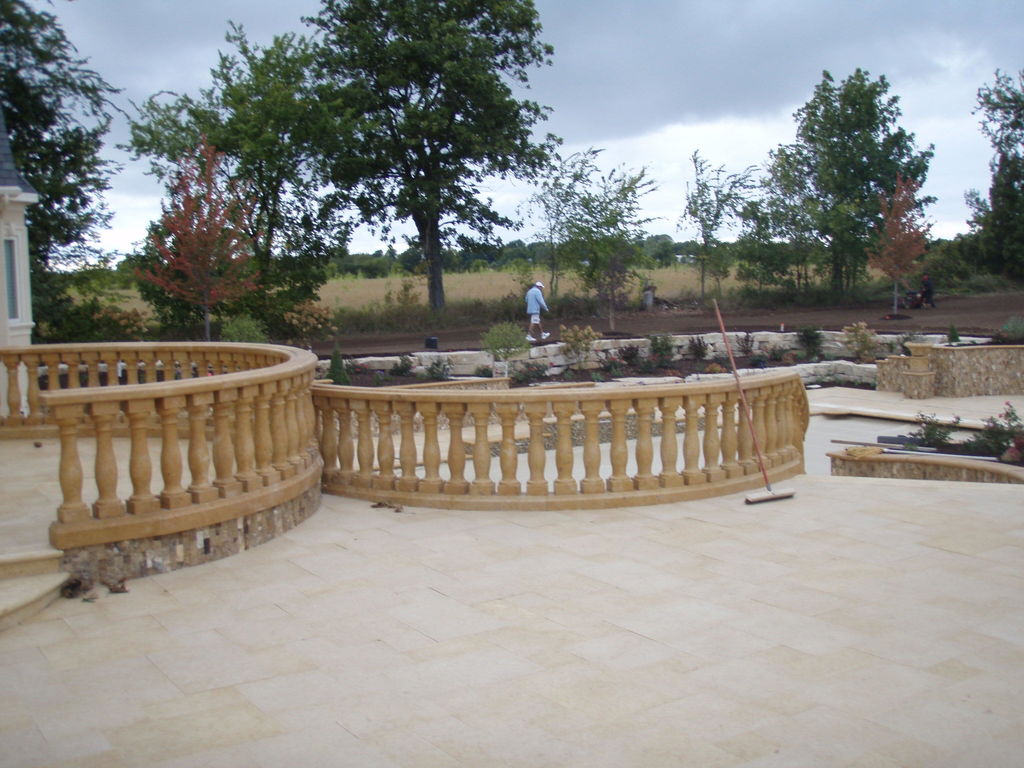
Railings provide edge definition without enclosure. Their height, spacing, and mass influence transparency and safety while preserving openness. When proportioned correctly, railings complete the composition, framing space rather than distracting from it.
In refined marble gazebos, alignment between these elements is carefully resolved through measured tolerances and visual axes. Symmetry is often employed not as a rule, but as a stabilizing reference that keeps complexity legible. Light interacts with edges, curves, and planes to emphasize depth and solidity throughout the day. This disciplined coordination transforms stone into architecture, ensuring the gazebo reads as a complete, intentional structure rather than an assembled collection of parts with lasting architectural clarity.


Construction Process: From Quarry to Completion
Quarry Selection and Material Assessment
The construction of a marble gazebo begins at the quarry, where stone is selected based on density, structural integrity, and consistency of veining. Extraction methods are controlled to preserve internal strength and natural grain direction. Each block is assessed for fissures, micro-fractures, and stress lines, ensuring it can perform as a load-bearing architectural element rather than decorative cladding alone.
Design Translation and Fabrication Planning
Once approved, the stone is transported to fabrication facilities, where detailed drawings govern every operation. Dimensions, joint tolerances, and sequencing are defined before cutting begins. Planning determines how columns, capitals, beams, and flooring components will be produced while maintaining visual continuity across exposed faces. This stage establishes accuracy that cannot be corrected later.
Cutting and Carving Stages
Initial cutting removes excess mass, followed by progressive carving stages. Structural forms are shaped first, allowing precise control of load paths and proportions. Capitals, profiles, and curved elements are refined gradually to avoid stress concentration. Measurements are checked repeatedly to maintain alignment and symmetry across components.
Dry Fitting and Quality Verification
Before shipment, all elements are dry-fitted within the workshop. Temporary assembly confirms joint precision, proportional balance, and load transfer behavior. Adjustments are completed at this stage, where access to tools ensures invisible corrections. Dry fitting also determines how the structure will be disassembled for transport without risk.
Transport Logistics and Site Sequencing
Transport logistics are planned alongside fabrication. Each piece is labeled, cushioned, and crated according to weight and vulnerability. The delivery order is synchronised with the installation sequencing to minimize handling. Lifting points and access routes are predetermined to prevent stress during movement.
Installation and Final Completion
At the site, foundations are verified before stone placement begins. Installation progresses from base alignment through vertical supports to roof components. Final review includes surface checks, edge refinement, and structural confirmation. The process concludes when the gazebo stands as a unified architectural form, reflecting disciplined planning, material respect, and enduring construction logic across generations.


Foundation & Structural Engineering Considerations
Load Distribution and Structural Balance
Foundation design determines whether a marble gazebo performs as a permanent architectural structure or develops long-term stress issues. Load distribution is addressed first, with column spacing, roof geometry, and overall mass translated into calculated bearing points. These loads are dispersed through a reinforced plinth or footing system that prevents concentrated pressure on individual stone elements. Proper load balance ensures that weight travels predictably from roof to ground, maintaining structural clarity and visual stability.
Soil Type and Ground Conditions
Soil type directly influences foundation depth and construction strategy. Stable, rocky, or well-compacted soils support shallower foundations, while clay-rich, sandy, or moisture-retentive soils require deeper excavation and broader footings to counter settlement and lateral movement. Builders assess bearing capacity, seasonal expansion, and drainage behavior to ensure the structure remains level and aligned over time. Ignoring soil behavior often leads to subtle shifts that compromise stone joints and symmetry.
Drainage Planning and Moisture Control
Drainage planning protects both marble and foundation integrity. Subsurface drainage layers redirect groundwater away from footings, preventing saturation and freeze-related expansion. Surface grading ensures rainwater flows away from column bases rather than collecting near load points. Expansion joints and bedding layers are integrated to absorb minor ground movement without transferring stress into carved components.
When foundations are engineered with these principles, the gazebo feels grounded and composed. The structure responds calmly to weather, soil shifts, and time, allowing the marble above to age gracefully without cracking, distortion, or loss of alignment.


Landscaping Around a Marble Gazebo
Landscaping around a marble gazebo requires deliberate balance between built surfaces and planted elements so the structure feels anchored yet breathable. Hardscape elements such as stone paths, low retaining walls, and plinth extensions establish continuity with the gazebo’s material language. These surfaces control movement, define thresholds, and prevent soil erosion near column bases.
Softscape elements counter this weight through layered planting, using groundcovers, shrubs, and canopy trees to soften edges without obscuring architectural lines. Plant selection should respect scale and seasonality. Low planting preserves visibility of columns, while taller foliage frames views rather than blocking them. This balance ensures the gazebo remains the visual anchor instead of being absorbed into the landscape.
Lighting is treated as architectural emphasis, not decoration. Recessed ground lights highlight column shafts and capitals, while concealed uplighting defines roof geometry after dusk. Subtle pathway lighting guides approach routes without overpowering the structure, reinforcing orientation and safety.
Pathways and sightlines determine how the gazebo is experienced. Primary paths should align with axial views, allowing the structure to reveal itself gradually. Secondary paths encourage circulation around the perimeter, offering varied perspectives. Clear sightlines from terraces, lawns, or interior rooms strengthen the gazebo’s relationship with its surroundings. When landscape planning follows these principles, the gazebo feels intentionally placed, legible, and integrated into its environment.


Climate, Weather & Maintenance Planning
Marble gazebos are designed to age gracefully when climate behavior is understood from the outset. Outdoors, marble responds to sun, rain, wind, and temperature variation by developing subtle patina rather than deterioration, provided the stone is correctly selected and detailed. Surface softening and gentle tonal shifts over time are considered part of its architectural character, not a defect.
Sealers play a protective but controlled role. Breathable, penetrating sealers are preferred to prevent moisture ingress while allowing vapor release. These treatments reduce staining from organic matter and pollutants without altering the stone’s natural appearance. Resealing follows predictable cycles based on exposure levels, typically coordinated with routine inspection rather than reactive repair.
Cleaning cycles are deliberately restrained. Mild, pH-neutral washes remove environmental deposits without eroding surface texture. Aggressive chemicals or high-pressure methods are avoided, as they accelerate surface fatigue and joint degradation.
Design decisions significantly reduce long-term maintenance. Proper roof overhangs shield columns from direct runoff, while raised bases limit ground moisture contact. Sloped surfaces discourage water pooling, and open detailing promotes airflow for faster drying. When climate considerations inform both material choice and architectural detailing, a marble gazebo remains structurally sound and visually composed for decades, requiring care that is systematic, predictable, and minimal rather than constant or intrusive.


Customisation & Bespoke Design Options
Luxury marble gazebos are rarely conceived as standard forms. Customisation allows the structure to align precisely with the architectural language, cultural context, and spatial intent of a property. Carving details play a central role, ranging from restrained fluting and edge profiling to deeper relief work on capitals, friezes, or bases. These details are not ornamental additions but calibrated expressions of scale and identity.
Symbolism is often embedded subtly within bespoke designs. Motifs drawn from classical orders, regional heritage, or personal narratives are integrated in measured ways, ensuring they enhance meaning without overwhelming form. Such symbolism gives the gazebo a sense of belonging, transforming it from an object into a contextual structure.
Integration with surrounding elements further defines customisation. Built-in marble benches extend usability while maintaining material continuity. Fountains introduce movement and sound, carefully positioned to respect sightlines and load considerations. Balustrades provide enclosure where required, designed to echo column proportions and roof geometry.
Design partners like Marblebee support this process by translating conceptual intent into crafted stone. Through flexibility in custom sizes, material choices, surface finishes, and carving depth, design visions are realized without compromising architectural discipline. Their role bridges design imagination and material execution, ensuring each gazebo reflects individuality while remaining structurally coherent and timeless in expression.


Cost Factors & Investment Perspective
Material Quality and Longevity
Cost considerations for marble gazebos begin with material selection. Outdoor-grade marble with higher density and controlled porosity requires careful quarry sourcing and expert assessment. Such stone performs consistently across temperature shifts and moisture exposure, ensuring structural stability and visual continuity over decades. Material quality directly influences how the gazebo ages, not just how it appears at completion.
Craftsmanship and Design Complexity
Craftsmanship forms a significant component of investment logic. Hand carving, proportion calibration, and workshop dry fitting demand skilled labor and extended timelines. Architectural elements such as domes, arches, and custom capitals introduce further complexity, requiring coordination between designers, engineers, and stone workshops. These processes ensure accuracy, balance, and structural clarity that cannot be achieved through simplified fabrication.
Logistics and Installation Planning
Marble gazebos are assembled architectural structures, not installed products. Transport logistics, lifting strategies, and site sequencing are carefully planned to protect stone integrity and surface finishes. These considerations reflect foresight rather than excess, reducing long-term risk.
Long-Term Architectural Value
From an investment perspective, a marble gazebo functions as permanent architectural capital. It reinforces landscape hierarchy, elevates property character, and resists visual obsolescence. Over time, its contribution to spatial quality and property value outweighs initial complexity, positioning it as a lasting asset rather than a temporary expense.


Common Mistakes Builders Avoid
Selecting the Wrong Marble
One frequent mistake is choosing marble based on appearance alone. Stones with high porosity or low density may perform well indoors but deteriorate outdoors. Experienced builders verify weather resistance, sealing compatibility, and long-term color stability before approval.
Poor Proportional Control
Luxury fails quickly when proportions are misjudged. Slender columns supporting heavy roofs feel unstable, while oversized domes overpower modest sites. Builders avoid this by calibrating column thickness, height, and roof mass to the surrounding landscape and human scale.
Ignoring Drainage Logic
Drainage is often underestimated. Flat plinths, trapped water at column bases, or inadequate sub-surface slopes lead to staining and structural stress. Skilled teams integrate concealed drainage paths and subtle slopes early, ensuring water moves away naturally and the gazebo ages with dignity. These decisions protect craftsmanship, proportions, and material integrity over decades of outdoor exposure worldwide today.


Case Scenarios /Use Cases
Estate Lawns and Formal Gardens
In large estate lawns, a columned marble gazebo often functions as a visual anchor, terminating a formal axial view. Proportions are scaled to the open landscape, with Doric or Corinthian columns providing rhythm and gravitas. Placement aligns with approach paths, allowing the structure to reveal itself gradually while framing vistas of gardens, water features, or distant architecture.
Courtyards and Intimate Spaces
In courtyards, smaller domed gazebos create intimate gathering spaces. Column spacing and scale are calibrated to maintain human comfort while preserving architectural presence. Open arches allow sightlines to surrounding terraces, planted pockets, and facades. Built-in benches or low balustrades define boundaries subtly, enhancing usability without disrupting circulation or light.
Terraces and Poolside Integration
Pergola-style marble structures are ideal for terraces or adjacent pool areas. Horizontal emphasis balances expansive outdoor spaces, while carved columns provide rhythm and shade. Elevated flooring, subtle drainage slopes, and integrated pathways protect the marble and enhance approach visibility, reinforcing architectural hierarchy.
Heritage and Symbolic Settings
Chhatri-inspired gazebos serve ceremonial or symbolic purposes in culturally influenced estates. Domes, carved brackets, and regional motifs align with existing architectural language, creating focal points that honor tradition while offering sheltered spaces for reflection or gatherings.
Across all settings, the consistent design principle is that the gazebo mediates scale, circulation, and visual hierarchy, enhancing the site while remaining enduring and architecturally coherent.


Conclusion: Why Marble Gazebos Endure
Marble gazebos endure because they are conceived as deliberate architectural interventions rather than temporary adornments. Their strength lies in proportion, material honesty, and site integration, allowing them to organize space, define circulation, and frame views with lasting authority. Over time, the stone develops subtle patina, reflecting weather and light while retaining structural and visual clarity, reinforcing a sense of permanence.
Thoughtful detailing, from columns and capitals to flooring and domes, ensures the gazebo remains legible, commanding, and timeless, resisting fleeting design trends. When aligned with landscape and built context, the structure becomes inseparable from its surroundings, anchoring the property both visually and experientially.
At Marblebee, we support this enduring vision, providing curated collections and the flexibility to customise designs across materials, finishes, and scales. Our role is essential yet unobtrusive, assisting architects and builders in translating design intent into enduring marble architecture. Ultimately, a marble gazebo is more than an outdoor element; it is a legacy piece, designed to belong and inspire across generations.