Classic Stone Balustrade Ideas for Terraces, Balconies and Gardens

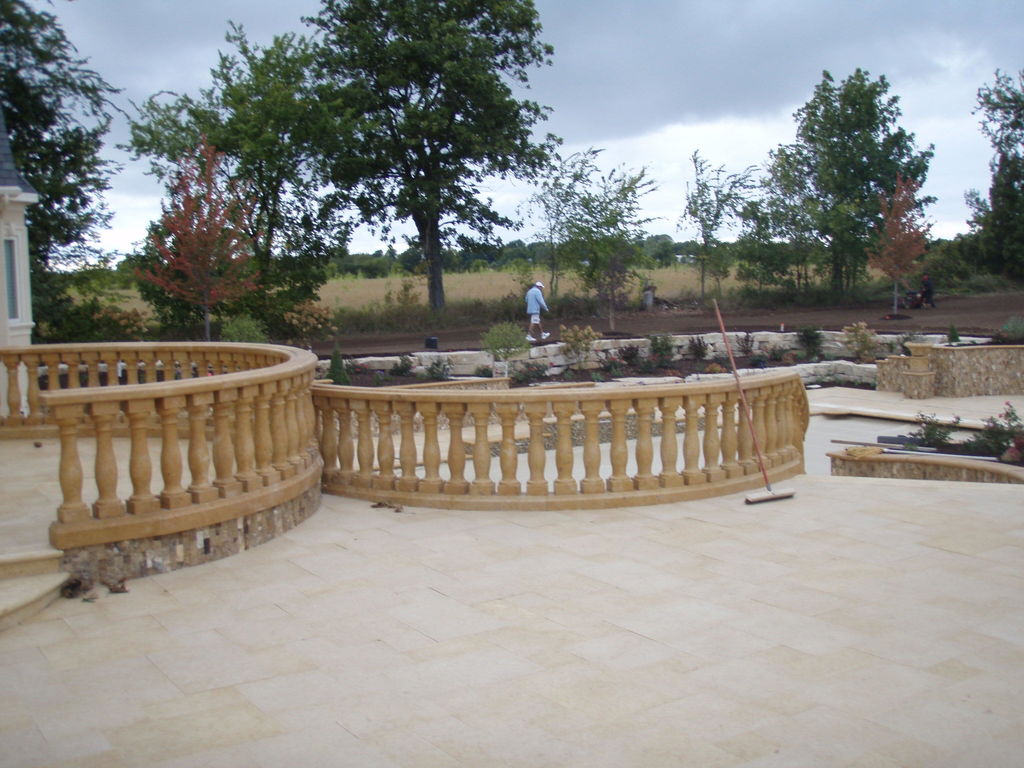
A balustrade does more than define the edge of a terrace or balcony. Its shape sets the scale of the architecture, adds detail at eye level and gives an outdoor space much of its character. A broad geometric baluster makes a very different impression from a slim vase profile, even when both sit beneath a similar stone cap.
These eight pairs show how much the profile matters. Look at the width of each baluster, the shape of its curves, the detail on its surface and the distance between the uprights. Those choices will help you find a design that suits your home.


1. Broad Geometric Balusters
The faceted baluster gives a terrace a bold edge. Its flat faces, square ends and two broad curves create a shape with real architectural weight. The narrow waist makes each curve more distinct, while square piers give the full rail a clear, measured order. Choose it for a large terrace or formal garden if you want the balustrade to make a strong statement beside the house.
The vase profile has the same generous scale, but a more fluid line. Its narrow upper section opens into a long, full body beneath the deep cap. Across a wide balcony or terrace, those repeated curves feel stately without the sharp definition of the faceted design. It is a good fit when your home calls for grandeur with a softer classical character.


2. Balusters with Classical Knops and Collars
Small details give the compound profile its personality. Rounded knops, slim necks and collars change its shape several times from head to foot. Each baluster has plenty to appreciate on its own, so the design is especially effective on an entrance balcony or a terrace close to the house.
The companion profile gives you a quieter version of classical detail. Its long, slender centre has room to breathe, with rounded accents near the ends. Across an extended terrace, the row feels fine and orderly. If you want the detail of each baluster to draw attention, choose the compound profile. If you prefer a classical rail with a lighter visual touch, the slender one has more appeal.


3. The Full Vase and the Slender Vase
A full vase baluster has a generous lower curve that gives the rail substance. The narrow neck draws the eye down to the rounded body, then to a moulded foot on a square base. It is a beautiful match for a broad terrace, a formal entrance or a home with substantial columns. Its shape has enough presence to sit comfortably beside large architectural features.
The slender vase offers a different balance. A longer taper and a smaller lower curve give each baluster a finer outline. The square piers still lend the rail structure, but the uprights feel less dominant. Choose this proportion for a balcony or garden terrace where you want clear classical character at a more delicate scale.


4. A Decorative Finial or a Decorative Row
One ornate feature can give a balustrade its identity. In the curved design, the slim balusters have soft lower curves, while a foliate finial above the pier provides the dramatic detail. The eye has a natural place to pause. This is an excellent choice for a curved balcony or garden stair, where a pier can mark a turn with elegance.
The companion design gives every baluster a decorative role. Flutes define the shafts, raised leaves enrich the lower bodies and capital like details sit beneath the cap. The effect is rich across the whole rail. Choose this profile for a formal terrace or grand entrance if you want the balustrade itself to supply a continuous layer of ornament.


5. Smooth and Fluted Double Vase Balusters
The double vase profile is hard to mistake. Two full curves meet at a narrow waist, so every baluster has a pronounced sculptural outline. In the smooth version, that shape does all the work. Urns above the piers add a formal finish to the rail. This design has the scale and clarity for a long terrace or a garden edge on a grand property.
The fluted version offers more detail at close range. Vertical grooves follow the two curves and add fine shadows to each upright. Choose it for a terrace path or outdoor seat area where people will spend time near the rail. The smooth profile has the stronger silhouette from afar; the fluted profile offers more to admire up close.


6. Flutes Below or Scrolls Above
Long flutes give the slender vase baluster a crisp vertical character. Small collars define its transitions, and a moulded foot completes the profile. It brings fine detail to a balcony or terrace without the bulk of a fuller vase. Choose it when you want each upright to have a clear architectural shape from top to base.
The scroll headed profile places its decorative emphasis just beneath the cap. Paired volutes give the rail a distinctive upper line, while the narrow shafts below stay relatively plain. That contrast suits a villa balcony or formal terrace where you want a touch of Ionic character without an ornate baluster from top to foot. One design draws attention down each shaft; the other gives the whole rail a memorable crown.


7. Short, Solid Balusters or a Fine Repeated Row
The short profile has a solid, almost cylindrical body, a simple head and several circular details at the foot. With only a few balusters between substantial piers, the rail feels firm and well proportioned. It is a natural choice for a compact entrance terrace or a short garden rail beside a house with robust classical details.
The slender profile works through repetition. Close set balusters taper toward their lower sections, while modest collars keep each transition neat. Along a long terrace, the many fine uprights create an orderly line without much ornament. Choose the stout profile when a small section needs visual weight. Choose the finer row when you want to carry a classical design across a greater length.


8. Carved Relief or Faceted Form
The ornate baluster gives a rail richness through its surface. Flutes, raised leaves and carefully defined transitions make each upright worth a closer look. Across a formal terrace, the repeated relief becomes a substantial decorative feature. It is a strong choice for a property with a restrained façade that has room for more detail at the balustrade.
The faceted baluster offers impact through its outline instead. Flat faces, square ends and two broad curves give it a crisp, geometric presence. A narrow waist sharpens the shape across a row of repeated uprights. Choose this design if the house already has carved features and you want the balustrade to add structure and scale through shape.
How to Choose a Balustrade for Your Property
Start with the scale of the house and the length of the rail. Broad vase and faceted profiles have the presence to suit large terraces and substantial façades. Slender profiles often feel more at ease on smaller balconies or across long stretches where a heavy row would demand too much attention.
Then decide where you want the detail. Flutes and carved leaves give each baluster texture at close range. A smooth vase or faceted profile relies on its outline, so its character remains clear from farther away. Piers, caps and finials matter too: they determine whether the rail feels calm and continuous or has distinct points of emphasis.
The Detail That Makes the Difference
A balustrade is one of the few architectural details you experience from both sides: it shapes the terrace as you use it and gives the house a distinct outline from outside. A full vase profile adds grandeur. A faceted baluster gives the rail a bold edge. Flutes and carved leaves invite a closer look.
The right choice is the profile you will still enjoy after you have passed it a hundred times. Find the shape that belongs beside your home, then let its proportions guide the cap, piers and full length of the rail.
At MarbleBee, we help turn that choice into a custom stone balustrade, with every part designed to feel at home in the architecture.