The Complete Step-by-Step Guide to Designing a Formal Garden Around a Marble Fountain

There is something undeniably captivating about a marble fountain positioned at the heart of a beautifully designed formal garden, where flowing water, exquisite hand-carved stone, and carefully arranged landscapes come together to create an atmosphere of timeless elegance.
For centuries, marble fountains have served as defining features in some of the world's most celebrated outdoor spaces, from Renaissance villas and palace courtyards to grand estate gardens. Their ability to unite artistry, architecture, and movement makes them uniquely suited to formal landscapes, where beauty and structure exist in perfect harmony.


However, a marble fountain alone does not create a remarkable formal garden. While selecting a beautiful fountain may seem straightforward, designing a landscape that fully complements it requires far greater thought and precision. Without a cohesive layout, even the most magnificent fountain can lose its impact. Pathways, plantings, seating areas, and architectural elements must all work together to frame and enhance its presence. When carefully integrated, a marble fountain evolves from a standalone feature into the focal point that defines the character and visual identity of the entire landscape.
In the following sections, we will guide you through the process of designing a formal garden around a marble fountain, much like a landscape designer would approach the project. From evaluating the site and selecting the right fountain style to creating pathways, choosing plants, designing gathering spaces, and incorporating architectural features, each step builds toward a landscape that feels balanced, purposeful, and timeless.


Step 1: Understand the Space Where You Plan to Install the Fountain
Before selecting a fountain or planning the surrounding garden, take time to carefully evaluate the space where the fountain will be installed. Understanding the site will help you make informed decisions throughout the design process and prevent costly mistakes later.
What You Need to Do
Start by identifying the exact area where you would like the fountain to be located and measure the available space to understand its dimensions and overall shape. Evaluate important views from windows, terraces, entrances, and pathways to determine how the fountain will be experienced throughout the property. Observe existing trees, walls, slopes, terraces, and architectural features that may influence the design, and pay close attention to sunlight and shade patterns throughout the day. As you gather this information, create a simple site sketch showing dimensions, existing features, important views, and the proposed fountain location.
The available space determines everything that follows, including the size, style, placement, and surrounding design of the fountain. The better you understand the site, the easier it becomes to create a landscape that feels balanced, functional, and visually harmonious.
Designer Insight: Always evaluate the proposed fountain location from multiple viewpoints. A fountain should create a strong visual impression whether it is viewed from the house, a terrace, a garden pathway, or the main entrance.


Step 2: Define Your Vision for the Garden
Every successful garden begins with a clear vision. Before selecting materials, plants, or decorative features, decide what type of atmosphere you want the garden to create.
What You Need to Do
Collect inspiration images and identify the styles that appeal most to you. Decide whether you are drawn to French formal gardens, Italian villa landscapes, classical estate gardens, or contemporary interpretations of traditional design. Consider how formal, grand, intimate, or relaxed you want the space to feel and ensure that your choices align with the architecture of the property.
A clear vision acts as a guide for every future decision and helps prevent the garden from becoming a collection of unrelated ideas.
Designer Insight: The most elegant gardens are often built around a single strong vision rather than multiple competing styles.


Step 3: Evaluate Your Property Type and Architectural Style
The architecture surrounding the garden should play a major role in determining the fountain and landscape design.
The architecture surrounding the garden should play a major role in determining the fountain and landscape design.
What You Need to Do
Determine whether the project is a residential garden, luxury estate, courtyard, resort, hotel, public landscape, or heritage property. Then evaluate the architectural style of the surrounding structures. Classical, Neo-Classical, Mediterranean, French-inspired, Italian villa, traditional, and contemporary luxury properties all require different approaches.
A fountain should feel like a natural extension of the architecture rather than an object that was added later.
Designer Insight: When in doubt, allow the architecture to guide your decisions. The best fountain designs feel as though they were always meant to be part of the property.


Step 4: Choose the Right Fountain Style
With a clear understanding of the site and architectural style, you can now select the fountain that best suits the landscape.
What You Need to Do
Evaluate the different fountain categories available and determine which is most appropriate for your project.
Grand tiered fountains work well in large formal gardens and estate landscapes. Wall fountains are ideal for courtyards and enclosed spaces. Sculptural fountains create artistic focal points, while courtyard fountains are better suited to intimate settings. Monumental estate fountains are best reserved for large-scale projects where they can be fully appreciated.
Matching Fountain Size to Your Space
Small gardens and courtyards typically benefit from wall fountains, courtyard fountains, or compact sculptural designs. Medium-sized gardens can comfortably accommodate sculptural fountains and smaller tiered fountains. Large estates and expansive formal landscapes are often best suited to grand multi-tiered fountains and monumental water features.
The fountain will influence every design decision that follows, making it one of the most important choices in the entire project.
Designer Insight: The goal is not to choose the largest fountain available but the fountain that best suits the scale and character of the site.


Step 5: Determine the Best Position for the Fountain
Once you have selected the fountain style, the next step is determining where it should be placed within the garden.
What You Need to Do
Identify the strongest viewpoints within the property and determine where the fountain will have the greatest visual impact. Consider views from the house, terraces, garden entrances, and primary pathways. In formal gardens, fountains are often positioned along the main axis, at the end of a pathway, or at the intersection of major routes. Ensure there is enough surrounding space for visitors to appreciate the fountain from multiple angles.
The location of the fountain influences how people experience the entire landscape. A well-positioned fountain naturally attracts attention and creates a sense of destination within the garden.
Designer Insight: If the fountain is intended to be the main focal point, visitors should encounter it naturally as they move through the garden rather than discovering it by accident.


Step 6: Create the Garden Framework
With the fountain location established, begin creating the structural framework of the garden.
What You Need to Do
Establish the primary layout of the garden using geometry, symmetry, and proportion. Determine where major planting beds, lawns, pathways, gathering areas, and architectural features will be located.
Formal gardens rely on order. A strong framework creates visual balance and ensures that every element contributes to a cohesive composition.
Designer Insight: Great gardens remain beautiful even when viewed as simple line drawings because the framework itself is strong.


Step 7: Design Pathways and Movement
Pathways shape how visitors experience the landscape and interact with the fountain.
What You Need to Do
Plan primary pathways that guide visitors toward the fountain and secondary routes that encourage exploration. Consider materials such as natural stone, gravel, and decorative paving that complement the overall design style. A well-designed pathway creates anticipation and gradually reveals the fountain rather than exposing everything at once.
Designer Insight: Think of pathways as storytelling tools that guide visitors through the landscape.


Step 8: Add Architectural Features
Architectural elements help transform a garden from attractive to memorable.
What You Need to Do
What You Need to Do
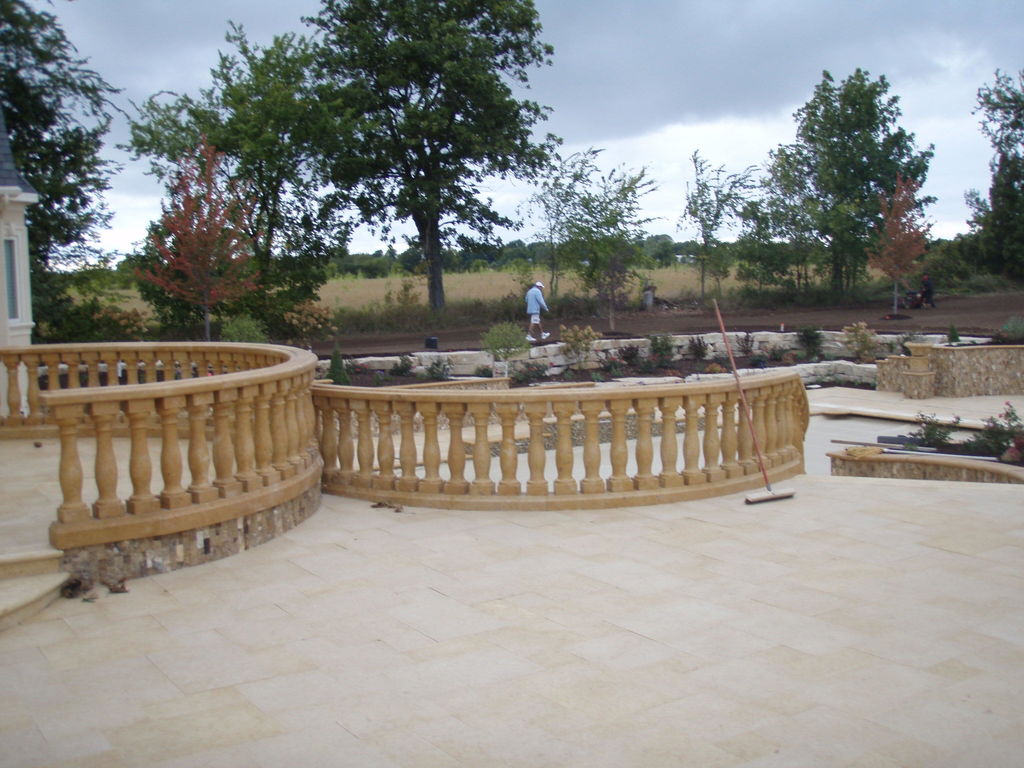
Consider whether the garden would benefit from supporting architectural features such as marble statues, decorative urns, pergolas, gazebos, balustrades, columns, or ornamental walls. These features should complement the fountain and reinforce the overall style of the property rather than competing with it.
The best architectural elements create rhythm throughout the landscape and provide additional points of interest without distracting from the fountain itself.
Designer Insight: Repeating similar materials, carvings, and architectural motifs throughout the garden creates a stronger sense of unity and sophistication.


Step 9: Build Structure and Scale Within the Garden
Once the framework and architectural features have been established, it is time to introduce the living elements that give the garden its form and scale.
What You Need to Do
Use clipped hedges and geometric planting beds to establish structure around the fountain and major pathways. Consider introducing topiary to create focal points or define entrances to different garden rooms. Trees should then be selected strategically to frame views, create shade, strengthen symmetry, and add a sense of maturity to the landscape.
When choosing trees, think beyond their appearance at planting. Consider their mature size, canopy shape, seasonal character, and how they will interact with the fountain over time.


Step 10: Add Flowering Plants and Seasonal Interest
Once the structural elements are in place, flowering plants can introduce color, texture, fragrance, and seasonal variation.
What You Need to Do
Develop a planting plan that provides interest throughout the year by combining spring blooms, summer flowers, autumn foliage, and evergreen elements. Choose plants that complement the fountain rather than compete with it.
A thoughtful planting scheme softens the formal framework while bringing life and movement into the landscape.
A thoughtful planting scheme softens the formal framework while bringing life and movement into the landscape.
Designer Insight: Use flowers to support the fountain rather than overwhelm it.


Step 11: Create Seating and Gathering Areas
A beautiful fountain deserves to be experienced rather than simply admired from a distance.
What You Need to Do
Identify locations where visitors can comfortably sit, relax, and enjoy the garden. Seating may take the form of benches, pergolas, pavilions, terraces, or intimate gathering spaces. Position these areas where visitors can enjoy views of the fountain while also appreciating the broader landscape.
Comfortable seating encourages people to spend more time outdoors and engage with the garden throughout the day.
Designer Insight: The best seating locations are often where visitors can both see and hear the fountain.


Step 12: Design a Lighting Plan
A formal garden should remain beautiful after sunset.
What You Need to Do
Develop a lighting plan that highlights the fountain, illuminates pathways, enhances important trees, and creates atmosphere throughout the landscape. Focus on subtle effects rather than excessive brightness.
Thoughtful lighting extends the usability of the garden while creating dramatic evening views.
Designer Insight: Landscape lighting should reveal beauty, not flood the garden with light.


Step 13: Review the Garden Like a Designer
Before considering the project complete, take time to evaluate how all the elements work together.
What You Need to Do
What You Need to Do
Walk through the garden from different viewpoints and assess whether the fountain remains the focal point. Review sightlines, proportions, planting arrangements, circulation routes, and architectural features. Look for areas that feel overcrowded, disconnected, or visually weak. Small adjustments often create significant improvements.
Designer Insight: Great gardens emerge through refinement rather than a single design decision.


Step 14: Know When to Consult Design and Construction Professionals
What You Need to Do
While many homeowners can successfully plan the vision for a formal garden, larger or more complex projects often benefit from professional guidance. Landscape architects, garden designers, fountain specialists, irrigation experts, and contractors can help resolve challenges related to grading, drainage, water circulation, electrical systems, structural foundations, and long-term plant development.
If your project involves a large marble fountain, significant site modifications, extensive hardscaping, or a high-value property, consulting professionals early in the process can help avoid costly mistakes and ensure that the final landscape performs as beautifully as it looks.
Designer Insight: The most successful formal gardens are rarely the result of a single decision-maker. They often emerge through collaboration between homeowners, architects, landscape designers, craftsmen, and installation professionals.


Common Mistakes to Avoid
Even the finest marble fountain cannot compensate for poor planning.
Choosing a Fountain That Is Out of Scale
A fountain that is too large can overwhelm the landscape, while one that is too small may disappear within it.
Ignoring Architectural Style
A fountain should complement the property rather than conflict with it.
Blocking Important Views
Poorly placed trees, hedges, and structures can reduce the fountain's visual impact.
Overcrowding the Garden
Too many decorative features can create visual clutter and weaken the overall composition.
Neglecting Future Growth
Trees and shrubs will grow significantly over time and should be planned accordingly.
Creating Too Many Focal Points
The fountain should remain the primary visual anchor of the landscape.
Forgetting the Evening Experience
A beautiful garden should be enjoyed after sunset as well as during the day.


Bringing the Entire Garden Together
Designing a formal garden around a marble fountain is about far more than arranging individual landscape elements. It is about creating a complete outdoor experience where architecture, planting, water, and movement work together in harmony.
Designing a formal garden around a marble fountain is about far more than arranging individual landscape elements. It is about creating a complete outdoor experience where architecture, planting, water, and movement work together in harmony.
As the garden matures, the fountain becomes more than a decorative feature. It becomes the element that anchors the landscape, draws people outdoors, and creates memorable experiences throughout the seasons. Visitors may admire the symmetry, appreciate the planting design, or enjoy a quiet moment beside the water, but it is the careful relationship between all these elements that gives the garden its lasting character.
When thoughtfully planned, a marble fountain becomes the heart of a landscape that continues to evolve, inspire, and welcome people for years to come.


Why Choose Marblebee Marble Fountains?
At Marblebee, every fountain is designed to become more than a water feature. Our collection combines exceptional craftsmanship, premium natural stone, and timeless architectural design to create fountains worthy of the world's most beautiful landscapes.
Whether you are designing an intimate courtyard, a formal residential garden, a luxury estate, or a grand entrance, Marblebee offers a wide range of handcrafted marble fountains to suit different styles, scales, and design visions. From elegant wall fountains to monumental tiered masterpieces, each piece is created to bring lasting beauty, sophistication, and character to outdoor spaces.
With extensive customization options, worldwide delivery, expert craftsmanship, and a commitment to quality, Marblebee helps homeowners, designers, architects, and landscape professionals transform their ideas into extraordinary garden destinations.