A Complete Guide to Choosing Balustrades for Stairs, Balconies, and Terraces

Stand at the base of a grand staircase in a heritage estate or look across the terrace of a Mediterranean villa, and one architectural element quietly shapes the experience: the balustrade. Often seen simply as a protective railing, a stone balustrade in classical architecture serves a far greater purpose. It frames staircases, protects terraces and balconies, defines garden edges, and adds rhythm and depth to architectural compositions.
For centuries, architects have used balustrades to create harmony between structure and ornamentation. The sculptural forms of balusters, combined with the permanence of natural stone, bring elegance and visual continuity to both interior and exterior spaces. This guide highlights the key factors to consider when selecting the ideal stone balustrade for stairs, terraces, and balconies.


Understanding What a Stone Balustrade Is
A stone balustrade is not a single element but a complete architectural system composed of several carefully designed parts. Each component contributes to both the structural stability and visual harmony of the railing. When assembled with the right proportions and craftsmanship, these elements create the rhythmic pattern that defines classical balustrade architecture.
Balusters are the vertical elements that form the repeating pattern of the balustrade. Their shapes can vary from curved and turned profiles to simple geometric forms, and their spacing influences how light and shadow move through the structure.
The base rail (plinth) forms the foundation that supports the balusters and anchors them securely.
The top rail or coping unifies the structure and acts as a functional handrail.
Newel posts or pedestals, placed at corners and stair landings, provide structural strength while adding decorative emphasis to the overall design.
Where Stone Balustrades Can Be Installed
One of the reasons stone balustrades remain popular in architectural design is their versatility. They can be used in many parts of a property, from interior staircases to expansive garden landscapes. Here’s how to install them expertly to ensure both durability and visual harmony:


Staircases
Staircases are among the most iconic locations for stone balustrades, where they transform a simple staircase into a striking architectural element. They are frequently used along grand interior staircases in luxury homes, exterior entrance stairways, garden steps connecting different terrace levels, and sweeping palace-style staircases. The solid presence and texture of stone also lend a sense of permanence and sophistication to the staircase design.


Balconies
Balconies gain strong architectural character when framed with stone balustrades. The sculptural shapes of balusters create depth and shadow, enhancing the visual richness of building façades. They are commonly seen in classical villas, heritage buildings, Mediterranean residences, and European-inspired homes. From a design perspective, balcony balustrades soften the edges of a structure and break up large vertical surfaces.


Terraces and Roof Decks
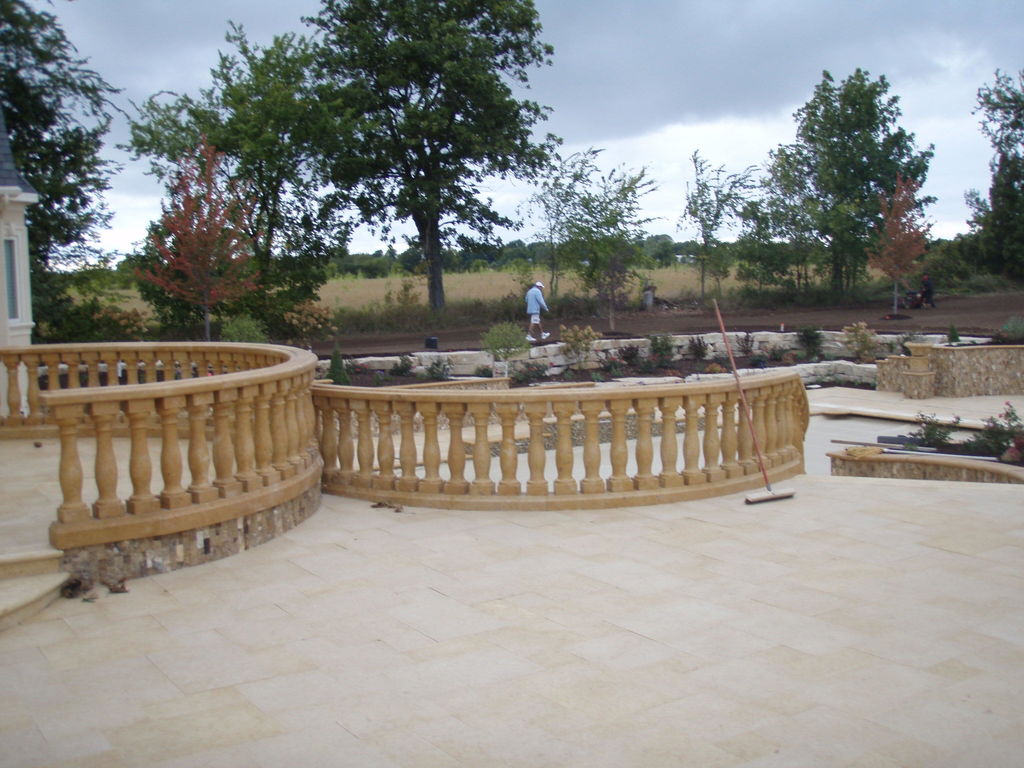
Large terraces and rooftop decks benefit significantly from stone balustrades, particularly in properties with elevated outdoor spaces. In these areas, balustrades provide essential protection along edges while visually framing outdoor living environments. This type of installation is commonly associated with Italian villas, French château-inspired estates, and classical luxury residences, where terraces often function as extensions of interior living spaces.


Garden Boundaries
Stone balustrades are also widely used in landscape architecture to define garden boundaries while preserving openness and visual connectivity. They work particularly well in formal gardens, raised patios, landscape terraces, and fountain courtyards. Unlike solid boundary walls, balustrades provide a sense of enclosure without blocking views of the surrounding landscape. The open spacing between balusters allows gardens, pathways, and water features to remain visually connected, creating a refined and balanced outdoor environment.


Poolside Areas
In resort-style properties and luxury homes, stone balustrades are often incorporated around elevated pool decks and poolside terraces. In these settings, they help define the pool area while maintaining architectural continuity with the surrounding structure and landscape. Stone balustrades also complement classical landscaping features such as fountains, statues, and garden pavilions, enhancing the elegant atmosphere often associated with resort-style outdoor spaces.


Bridge and Walkway Edges
In large estates or landscaped properties, stone balustrades may also appear along garden bridges, elevated walkways, or pathway edges. These installations introduce a refined, palace-inspired aesthetic within outdoor landscapes. When paired with water features, formal gardens, or sculptural elements, the balustrade acts as an elegant transition between different areas of the property.
Types of Stone Balustrade Designs
Balustrades come in a variety of design styles, each reflecting a particular architectural tradition. The choice of baluster shape significantly influences the visual character of the railing.
Below are some of the most commonly used stone balustrade designs.


Turned Balusters
Turned balusters are among the most widely recognized stone balustrade styles. They feature smooth, symmetrical curves created through a turning process, giving them a refined and balanced profile. This rhythmic form brings a strong sense of classical elegance to a structure. Turned balusters are commonly used along grand staircases, balconies, and entrance stairways, where their repeating shapes create a graceful architectural flow while maintaining a timeless European aesthetic.


Vase Balusters
Vase balusters are distinguished by their sculptural, urn-like form. Their wider midsection and tapered ends create a bold and decorative appearance that adds visual richness to a balustrade. Because of their dramatic profile, vase balusters are often used in grand architectural settings such as palace-style staircases, luxury villas, and formal terraces. They serve as both a safety railing and a prominent design feature that enhances the sense of scale and grandeur.


Fluted Balusters
Fluted balusters are characterized by vertical grooves carved along the shaft. Inspired by classical column design, these grooves create subtle texture and shadow, giving the balustrade a refined and elegant appearance. This style is commonly associated with neoclassical and formal architectural compositions. Fluted balusters are frequently seen on balconies, terraces, and façade railings where they add a sense of structure, rhythm, and sophistication.


Square Balusters
Square balusters offer a cleaner and more contemporary interpretation of classical railing design. Their straight edges and geometric form create a structured, minimal aesthetic that works well with modern classical architecture. Because they lack heavy ornamentation, square balusters help maintain visual clarity while still providing the elegance of stone craftsmanship. They are commonly used in modern villas, rooftop terraces, and contemporary balcony railings.


Spiral Balusters
Spiral balusters feature a twisted or helical shaft that introduces movement and sculptural interest into the balustrade design. This distinctive form draws inspiration from Baroque and decorative European architecture, where dramatic detailing is often emphasized. Spiral balusters are typically used in statement staircases, palace-inspired gardens, and luxury estates, where they create a visually striking focal point within the architectural composition.


Panel Balustrades
Panel balustrades differ from traditional baluster designs by replacing individual spindles with solid carved stone panels placed between structural posts. These panels can feature decorative carvings, relief patterns, or geometric motifs, giving the railing a bold architectural presence. Panel balustrades are often used in monumental buildings, civic architecture, and formal garden terraces where a stronger visual boundary is desired without compromising the elegance of stone craftsmanship.


Carved Balustrades
Carved balustrades are architectural railing systems crafted from solid stone panels, most commonly marble, where decorative patterns are sculpted directly into the material rather than formed by separate vertical balusters. These railings are distinguished by intricate relief carvings such as flowing acanthus leaves, scrollwork, floral motifs, and classical ornamental patterns that reflect traditional craftsmanship. The design often forms a continuous artistic panel framed within a stone structure, creating both a protective barrier and a decorative architectural element. Carved balustrades are widely used in grand staircases, balconies, terraces, and heritage-inspired interiors where visual richness and craftsmanship are important. Their sculptural detailing adds depth, texture, and elegance to the space, making them particularly popular in luxury villas, palatial residences, hotels, and classical gardens where architectural artistry and timeless design are desired.


Stone Balustrade Styles (Overview Table)

Key Factors to Consider When Choosing a Stone Balustrade
Choosing the right stone balustrade involves more than choosing a visually appealing design. Architects and designers carefully evaluate several factors to ensure the balustrade integrates seamlessly with the architecture while maintaining structural reliability and aesthetic balance.
Architectural Style of the Property
A balustrade should always complement the architectural language of a building. When the design reflects the style of the structure, it appears integrated rather than added later. Classical villas often incorporate turned or vase-shaped balusters inspired by traditional European architecture. Neoclassical homes typically feature fluted balusters that emphasize symmetry and refined detailing. Contemporary classical residences, however, may adopt simplified square balusters that retain elegance while presenting a cleaner and more restrained aesthetic.
Scale and Proportion
Scale is one of the most important considerations in balustrade design. Grand estates with expansive terraces or sweeping staircases usually require thicker balusters, wider spacing, and substantial pedestals or newel posts to maintain visual balance. In contrast, smaller homes or compact outdoor spaces benefit from slimmer profiles and lighter proportions. Proper scaling ensures the balustrade complements the surrounding architecture without appearing too heavy or visually dominant.


Height and Safety Requirements
Beyond aesthetics, balustrades must also meet functional safety standards. Staircase balustrades are typically designed at a height of about 34 to 36 inches to provide comfortable support. For balconies and terraces, heights generally range from 36 to 42 inches to ensure adequate protection at elevated levels. The spacing between balusters must also be carefully considered to maintain safety while preserving the elegant rhythm of the design.
Visual Rhythm and Structural Stability
The repetition and spacing of balusters create the visual rhythm that defines a classical balustrade. Balanced spacing prevents the railing from appearing too dense or overly sparse, maintaining symmetry across the installation. Equally important is structural stability. A well-constructed stone balustrade relies on strong base anchoring, reinforced pedestals at key points, and precise alignment of the top rail. This ensures durability, particularly in outdoor environments exposed to changing weather conditions.
Balustrades as a Facade Design Element
Beyond their practical role, stone balustrades contribute significantly to the overall architectural composition of a building. They help define strong horizontal lines across façades, creating visual continuity between different levels of the structure. When placed along balconies, terraces, or roof edges, balustrades soften the architectural outline while introducing elegant shadow lines that add depth to the façade.
Because the spacing between balusters allows light to pass through, they create subtle patterns of light and shadow that shift throughout the day, enriching the surface texture of the building. Balustrades also play an important role in reinforcing symmetry, especially when aligned with windows, columns, or façade axes. For this reason, they remain a defining feature in palaces, heritage estates, luxury villas, and grand institutional architecture.


Design Tips from Architectural Practice
Architects often follow certain design principles when incorporating stone balustrades into a project.
Some practical design tips include:
• placing pedestals at corners and stair landings to anchor the balustrade.
• aligning balustrades with columns or architectural axes on the façade.
• maintaining consistent spacing between balusters throughout the installation.
• incorporating decorative elements such as urns, finials, or sculptures for added visual impact.
These small design considerations can significantly enhance the elegance and coherence of the final architectural composition.
Why Stone Balustrades Remain Timeless
Despite evolving architectural trends, stone balustrades continue to hold a timeless appeal in both traditional and contemporary design. Their enduring popularity lies in their exceptional durability, classical beauty, strong architectural presence, and natural compatibility with heritage as well as luxury residences.
Unlike materials that follow short-term design trends, stone carries a sense of permanence that reflects centuries of architectural tradition. At the same time, it remains adaptable to modern interpretations of classical design, allowing architects and designers to integrate it seamlessly into new constructions and restored properties. The weight, texture, and craftsmanship of stone give balustrades a distinctive character that enhances the overall architectural composition of a building.
Ultimately, a well-crafted stone balustrade is far more than a protective railing. It functions as a sculptural architectural element that adds elegance, balance, and depth while elevating the visual identity of the entire property.


The Marblebee Approach to Balustrade Design
At Marblebee, stone balustrades are approached as integral architectural features rather than simple railings. Each project begins with a thoughtful assessment of the structure it will complement, whether it is a private residence, heritage bungalow, luxury villa, hotel, temple, institutional space, or commercial development. The design is then carefully refined to align with the building’s scale, proportions, and overall architectural character, ensuring the balustrade feels like a natural continuation of a property.
Marblebee also presents a curated selection of premium materials, including marble and other natural stones sourced for both durability and visual richness. These materials can be crafted into a wide variety of balustrade styles or tailored to suit a specific architectural vision.
In addition to new creations, Marblebee undertakes restoration projects, carefully recreating or refining existing stone elements to preserve their heritage charm while adapting them to contemporary architectural standards.
Each project emphasizes craftsmanship, proportion, and architectural harmony, so the balustrade integrates seamlessly with its surroundings while reflecting the client’s design intent.