A Complete Guide to Repairing Travertine Bathtubs Using Epoxy AB Adhesives

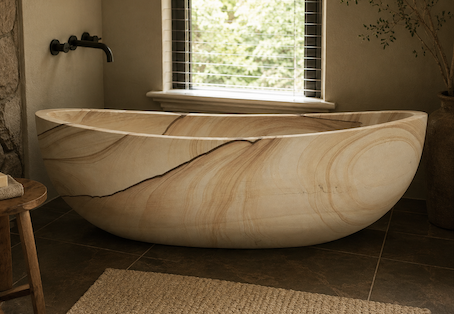
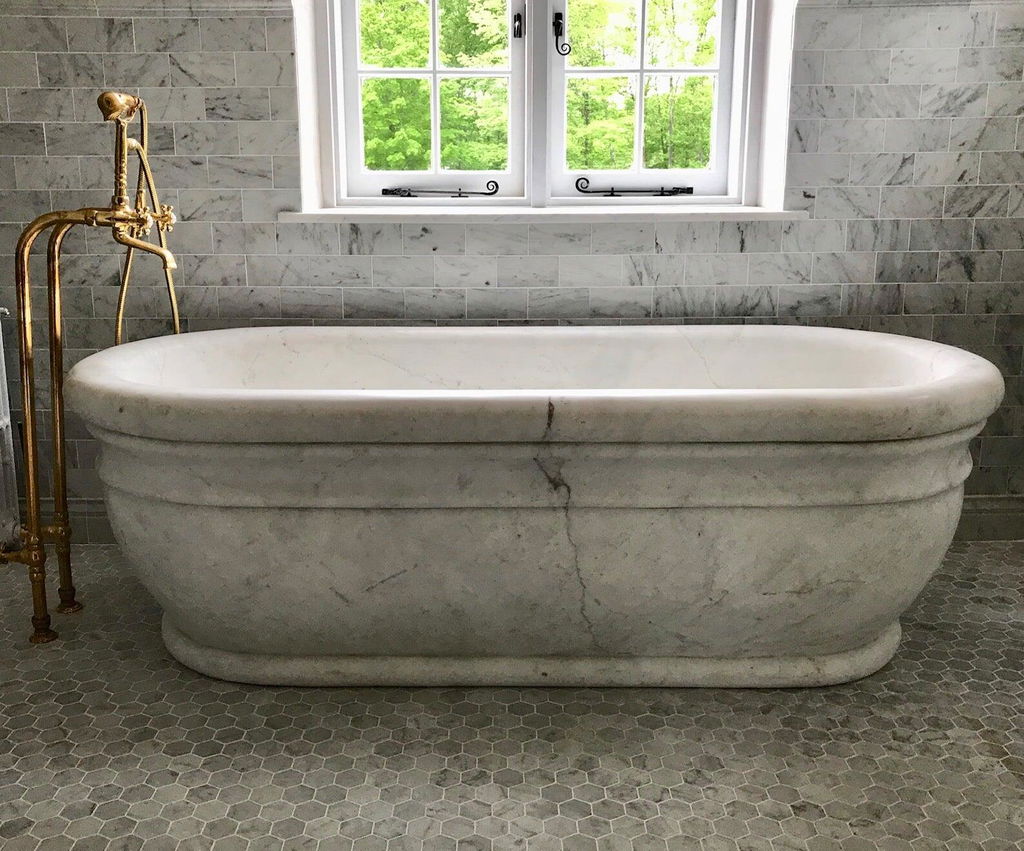
Travertine bathtubs are valued for their natural beauty, warm texture, and timeless appeal. As a natural stone, travertine adds depth and character to luxury bathrooms, but it also demands informed care and professional maintenance. Over time, minor surface holes, hairline cracks, or seepage points may appear due to the stone’s natural porosity, continuous water exposure, temperature fluctuations, or installation-related stress.
These issues do not automatically require replacing the bathtub. When handled correctly, epoxy AB adhesive repair is a proven professional method that restores structural strength, waterproofing, and visual continuity without compromising the natural appearance of travertine. This guide brings everything together into one clear, easy-to-follow resource explaining how epoxy AB repairs work, why they are effective, and what a proper professional process involves.


Understanding Travertine as a Natural Stone Material
Travertine is a sedimentary limestone formed through mineral-rich water deposits. Its signature character comes from natural pores and voids created during formation. While these features contribute to its organic charm, they also make the stone more susceptible to moisture absorption if not correctly sealed and maintained.
In travertine bathtub applications, constant exposure to water, cleaning agents, and thermal changes can gradually weaken vulnerable areas. Natural pores may enlarge, small cavities may open, or fine cracks may develop, eventually leading to surface damage or minor leakage. Epoxy AB adhesive repairs are specifically designed to address these challenges by reinforcing and sealing the stone from within.


What Is Epoxy AB Adhesive and Why Is It Used?
Epoxy AB adhesive is a two-component system consisting of Component A (resin) and Component B (hardener). When mixed in precise ratios, the material undergoes a chemical reaction that produces a strong, durable, and water-resistant bond.
For travertine bathtub repairs, epoxy AB adhesive is preferred because it:
• Bonds exceptionally well with natural stone
• Creates a waterproof seal suitable for wet environments
• Can be color-matched to blend seamlessly with travertine
• Restores both structural integrity and surface appearance
Unlike household fillers or quick-dry acrylic glues, professional epoxy systems are engineered for stone applications and remain stable under prolonged moisture exposure.


Common Issues Addressed by Epoxy AB Repairs
Epoxy AB adhesive repairs are commonly used to treat:
• Open surface pores or visible holes
• Hairline cracks caused by aging or stress
• Localized leakage points
• Surface damage from impact or improper use
These repairs are both restorative and preventive, helping extend the bathtub’s lifespan while preserving its natural finish.


Required Materials and Tools
| Item | Description |
|---|---|
| Epoxy AB Adhesive | Two-component epoxy adhesive formulated for stone (e.g., Tenax Titanium Epoxy, Akepox 5010, Laticrete LATAPOXY 300) |
| Cleaner | Acetone or alcohol for removing moisture, dust, and surface contaminants |
| Mixing Tools | Plastic cup and wooden stick for accurately blending A and B components |
| Filling Tools | Spatula or small scraper for pressing epoxy into cracks and chips |
| Coloring Materials | Stone-safe pigment to match the natural travertine tone |
| Polishing Tools | Sandpaper (grit 800–2000) and polishing cloth for surface finishing |
| Safety Equipment | Gloves, mask, and protective goggles for safe handling |


Professional Epoxy AB Adhesive Repair Process
1. Surface Cleaning and Drying
The repair begins with meticulous surface preparation. The affected area is wiped with acetone or alcohol to remove soap residue, oils, dust, and moisture. Complete drying is essential, as trapped moisture can cause poor adhesion, blistering, or delamination.
2. Mixing the Epoxy Components
Component A and Component B are mixed strictly according to manufacturer instructions, typically in a 1:1 ratio by volume. Mixing is done slowly for two to three minutes to achieve uniform consistency while avoiding air bubbles. If required, stone pigment or fine travertine dust is added gradually to achieve a close color match.
3. Filling and Leveling
The mixed epoxy is pressed firmly into the crack, hole, or damaged area using a spatula. The surface is slightly overfilled to allow for sanding flush after curing, ensuring a seamless transition with the surrounding stone.
4. Controlled Curing
The epoxy is allowed to cure for 8 to 12 hours at an ideal temperature of 20–25°C. During this period, the area must remain dry, stable, and free from vibration or water contact. In cooler conditions, curing time is extended to ensure full strength.
5. Sanding and Polishing
After curing, the repaired area is sanded using progressively finer grits, typically from 800 to 2000. Polishing follows with a soft cloth until the repaired section matches the original travertine texture and sheen. A properly executed repair should be smooth, uniform in color, and visually continuous.


Final Surface Protection and Sealing
Once repairs are complete, applying a penetrating stone sealer to the entire bathtub interior is strongly recommended. This enhances waterproofing, reduces future moisture absorption, and protects against staining. Professional-grade sealers such as Dry-Treat 40SK, STONETECH BulletProof, or Miracle 511 Porous Plus are commonly used. Sealers are applied in even coats, allowed to penetrate, wiped clean, and left to cure fully before water exposure.
Common Mistakes to Avoid
• Using fast-curing epoxies that do not allow color adjustment
• Skipping proper surface degreasing and drying
• Over-sanding, which flattens travertine’s natural texture
• Applying epoxy in damp or humid conditions
• Using ordinary household AB glues that are not water-resistant


When to Call a Professional
If the bathtub shows structural fractures, widespread cracking, or load-bearing damage, professional stone restoration is essential. Improper repairs in such cases can worsen the condition and compromise safety.
Key Takeaways
• Travertine bathtubs can be repaired effectively without replacement
• Epoxy AB adhesive provides a waterproof, stone-compatible solution
• Proper surface preparation and curing are critical to repair success
• Color matching and polishing ensure seamless visual results
• Professional sealing significantly extends the bathtub’s lifespan


Frequently Asked Questions
1. Can a cracked travertine bathtub be repaired without replacement?
Yes. Most surface cracks, pores, and minor leakage points in travertine bathtubs can be repaired using professional epoxy AB adhesive, eliminating the need for full replacement when the structure is sound.
2. Is epoxy AB adhesive safe for constant water exposure in bathtubs?
Professional-grade epoxy AB adhesives are specifically formulated to remain stable in wet environments and provide long-term waterproofing when cured and sealed correctly.
3. Will the repaired area look different from the original stone?
When proper color matching, leveling, and polishing are performed, epoxy repairs blend seamlessly with the surrounding travertine and are typically invisible to the eye.
4. How long does an epoxy AB repair last on a travertine bathtub?
When applied correctly and protected with a quality stone sealer, epoxy AB repairs can last many years and often perform as long as the surrounding stone.
5. How long does the repair process take?
Most professional travertine bathtub repairs can be completed in a single visit, with curing and finishing managed efficiently to minimize downtime.


6. Can epoxy AB adhesive be used on deep holes or through-stone leaks?
Yes. Epoxy AB adhesive can be used to fill deeper cavities and leakage points, and in certain cases may be applied from both sides to ensure complete sealing.
7. Is it safe to use the bathtub immediately after repair?
No. The repaired area must fully cure and, if sealed, allow the sealer to set properly. Water contact is usually avoided for at least 24 hours after final sealing.
8. Why shouldn’t household AB glues or fillers be used on travertine bathtubs?
Household adhesives are typically acrylic-based and not designed for constant moisture exposure. They can fail prematurely, discolor, or cause further stone damage.
9. Does the entire bathtub need to be sealed after a repair?
Sealing the entire bathtub is strongly recommended. It improves overall waterproofing, protects natural pores, and ensures consistent performance across the stone surface.
10. When should I avoid repair and opt for professional stone restoration instead?
If the bathtub shows structural fractures, widespread cracking, or load-bearing damage, full professional stone restoration is required. Surface repair alone may be insufficient in such cases.


Repairing a travertine bathtub with epoxy AB adhesive is not merely a fix; it is a restorative process that preserves the stone’s beauty, structural integrity, and long-term performance. When executed with precision, epoxy repairs can be virtually invisible while extending the life of a luxury stone bathtub by many years.
At Marblebee, this process is approached with the same craftsmanship applied to bespoke stone creations. From expert assessment and precise color matching to seamless finishing and polishing, every repair respects the natural character of travertine while restoring its original elegance.
If your travertine bathtub requires professional repair or restoration, get in touch with Marblebee to book a consultation. Our stone specialists will evaluate your bathtub and deliver a solution that combines technical expertise with timeless marble craftsmanship.